

Teeth Whitening Options Compared: In-Clinic Treatments vs At-Home Solutions
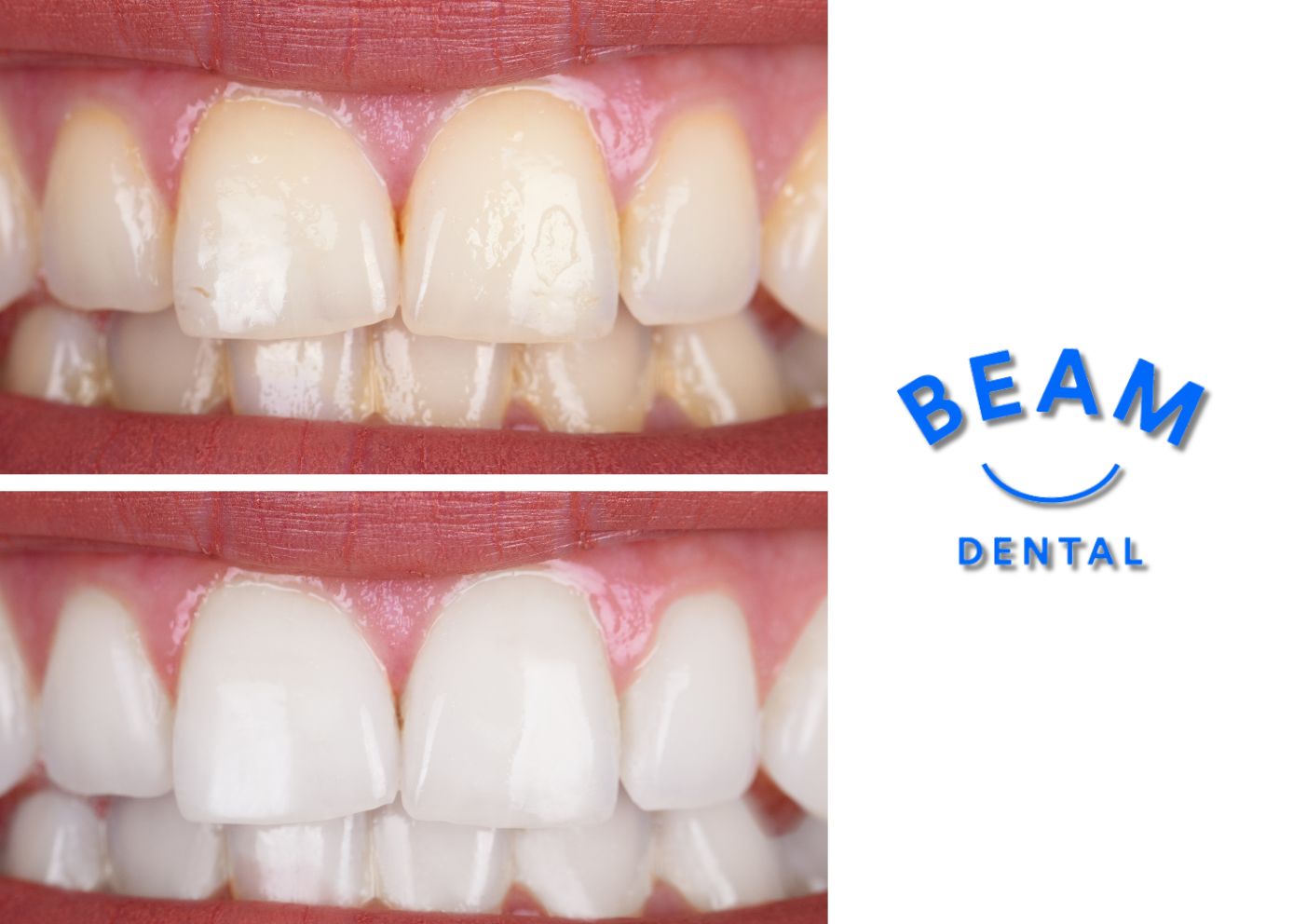
Why Teeth Discolour Over Time
Tooth discolouration is a gradual and largely unavoidable process. Daily habits such as drinking tea, coffee, red wine, and fizzy drinks expose enamel to staining compounds that slowly penetrate the tooth surface. Smoking and tobacco use accelerate this process significantly, while natural ageing causes enamel to thin, revealing the darker dentine beneath.
In addition to lifestyle factors, certain medications, dental trauma, and previous dental treatments can also affect tooth colour. As a result, many adults seek teeth whitening to restore a brighter, more youthful smile.
Understanding why teeth discolour is essential when choosing the most effective whitening solution.
What Teeth Whitening Actually Does
Teeth whitening does not remove enamel or damage tooth structure when performed correctly. Instead, whitening agents penetrate the enamel and break down stain molecules, making them less visible. This process lightens the overall appearance of the teeth rather than coating or masking them.
The effectiveness of whitening depends on the concentration of the whitening agent, how it is applied, and the condition of the teeth. This is where the differences between in-clinic and at-home treatments become significant.
In-Clinic Teeth Whitening Explained
In-clinic teeth whitening is carried out under professional supervision using regulated, high-strength whitening agents. The process begins with a dental assessment to ensure the teeth and gums are healthy enough for whitening.
During treatment, protective measures are taken to shield the gums, and the whitening gel is applied precisely to the teeth. The procedure is carefully timed and monitored to maximise results while minimising sensitivity.
One of the key advantages of in-clinic whitening is speed. Patients often see noticeable improvement in a single visit, making it a popular choice for those seeking immediate results.
At-Home Teeth Whitening Options Explained
At-home whitening typically involves lower-strength whitening agents used over a longer period. Options include custom trays provided by a dentist or over-the-counter products such as strips and gels.
Custom at-home trays prescribed by a dental professional offer greater control and safety than generic products. However, results are more gradual and depend heavily on patient compliance.
Over-the-counter whitening products vary widely in quality and effectiveness. Some deliver modest improvements, while others produce minimal change or increase sensitivity when misused.
Comparing Effectiveness and Results
In-clinic whitening generally delivers faster and more predictable results due to higher concentrations and professional application. It is particularly effective for deeper stains caused by ageing or long-term habits.
At-home whitening can achieve good results over time, especially for mild to moderate staining. However, outcomes are less consistent and often take weeks rather than days.
The choice between the two depends on expectations, timeline, and the nature of the discolouration.
Safety Considerations and Sensitivity
Tooth sensitivity is one of the most common concerns associated with whitening. Professional in-clinic whitening is designed to minimise sensitivity through controlled application and protective measures.
At-home whitening carries a higher risk of uneven application, prolonged exposure, or misuse, particularly with non-prescribed products. This can lead to gum irritation or increased sensitivity.
Professional guidance significantly reduces these risks and ensures whitening is performed safely.
Longevity of Whitening Results
Whitening results are not permanent, regardless of the method used. Lifestyle habits play a major role in how long results last. Patients who consume staining foods or smoke may notice colour changes sooner.
In-clinic whitening often produces longer-lasting results due to the depth of stain removal. At-home whitening may require more frequent top-ups to maintain brightness.
Which Whitening Option Is Right for You?
Choosing the right whitening method depends on individual circumstances. Factors such as existing dental work, gum health, sensitivity history, and desired outcome all influence suitability.
Key factors to consider include: speed of results, level of supervision, sensitivity risk, long-term maintenance, and overall oral health.
A professional dental assessment ensures the chosen method is both safe and effective.
The Importance of Professional Assessment Before Whitening
Not all discolouration responds equally to whitening. Crowns, veneers, and fillings do not change colour, which can lead to uneven results if whitening is performed without planning.
A professional assessment identifies these issues in advance and allows for a tailored approach that delivers balanced, natural-looking results.
In Summary
Teeth whitening is a highly effective way to enhance a smile, but not all whitening options deliver the same results. In-clinic treatments offer speed, precision, and predictability, while at-home options provide gradual improvement with greater reliance on patient compliance.
Understanding the differences between these options allows patients to make informed decisions that align with their goals, lifestyle, and oral health. Professional guidance remains the safest and most effective way to achieve long-lasting whitening results.
