Do Not Neglect Your Child’s Dentistry Requirements
Children’s dental care should never be treated as an afterthought. A child’s teeth play an important role in eating, speaking, smiling, confidence and healthy development. Even baby teeth, which eventually fall out, need proper care because they help guide adult teeth into place and support normal oral development.
Many parents assume that dental care only becomes important when adult teeth appear. This is not correct. Good dental habits should begin early, from the moment the first baby teeth come through. Regular dental visits, supervised brushing, fluoride toothpaste, a sensible diet and early treatment can all help reduce the risk of tooth decay, pain and avoidable dental problems.
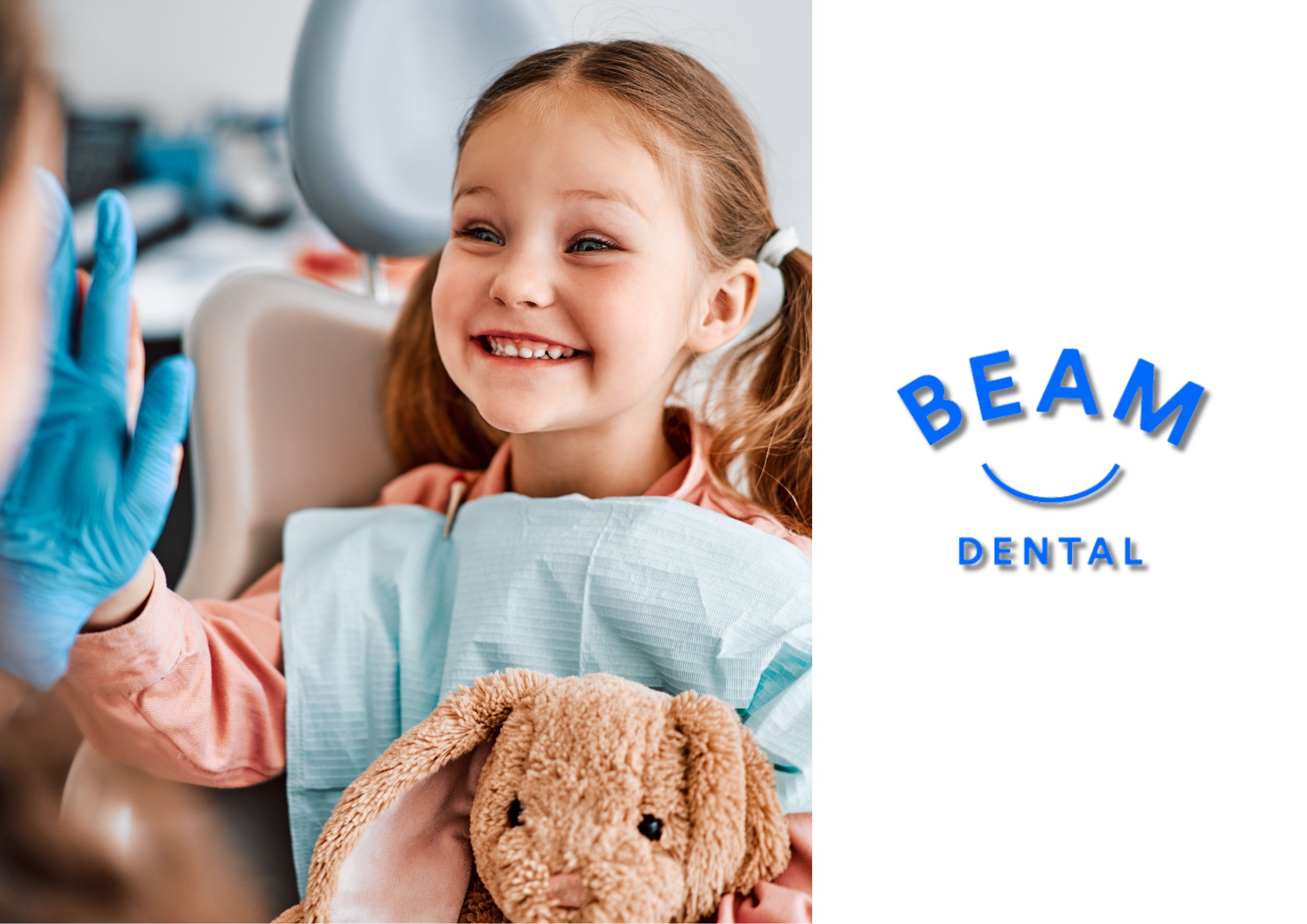
At Beam Dental in Brent Cross, children’s dentistry is provided in a friendly and caring environment. Their dental team aims to make each visit relaxing, positive and memorable, helping children build confidence and develop a healthy attitude towards dental care.
Why Children’s Dentistry Matters
Children’s dentistry is not only about fixing problems when they happen. It is about prevention, education and helping children feel comfortable at the dentist.
A child who visits the dentist regularly is more likely to become familiar with the dental environment. This can reduce fear and anxiety. It also gives the dentist the opportunity to spot early signs of decay, gum problems, tooth development issues, bite concerns or habits that may affect the mouth.
Early prevention is usually easier, less stressful and less expensive than treating more serious problems later. A small issue found early may be simple to manage. If ignored, it may become painful and require more complex treatment.
For children, a positive dental experience can shape their attitude to oral health for life.
Baby Teeth Are Important
Some parents think baby teeth do not matter because they will eventually fall out. This is a mistake.
Baby teeth help children chew food, speak clearly and smile with confidence. They also hold space for the adult teeth that will come later. If baby teeth are lost too early because of decay or infection, it may affect how adult teeth come through.
Tooth decay in baby teeth can also cause pain, swelling, infection, difficulty eating, disturbed sleep and distress. In serious cases, children may need emergency treatment or extractions.
Looking after baby teeth is therefore an important part of looking after your child’s overall wellbeing.
When Should Children Start Seeing a Dentist?
Children should start visiting the dentist early. Once a child’s first teeth begin to come through, parents should begin caring for them and introducing dental visits.
Early dental visits are not only about treatment. They allow the child to become familiar with the dentist, chair, mirror, light and sounds of the practice. They also give parents the chance to ask questions about brushing, toothpaste, diet, teething, thumb sucking, dummy use and tooth development.
The earlier a child becomes comfortable with dental care, the easier it may be to maintain regular visits as they grow.
Tooth Decay Can Start Young
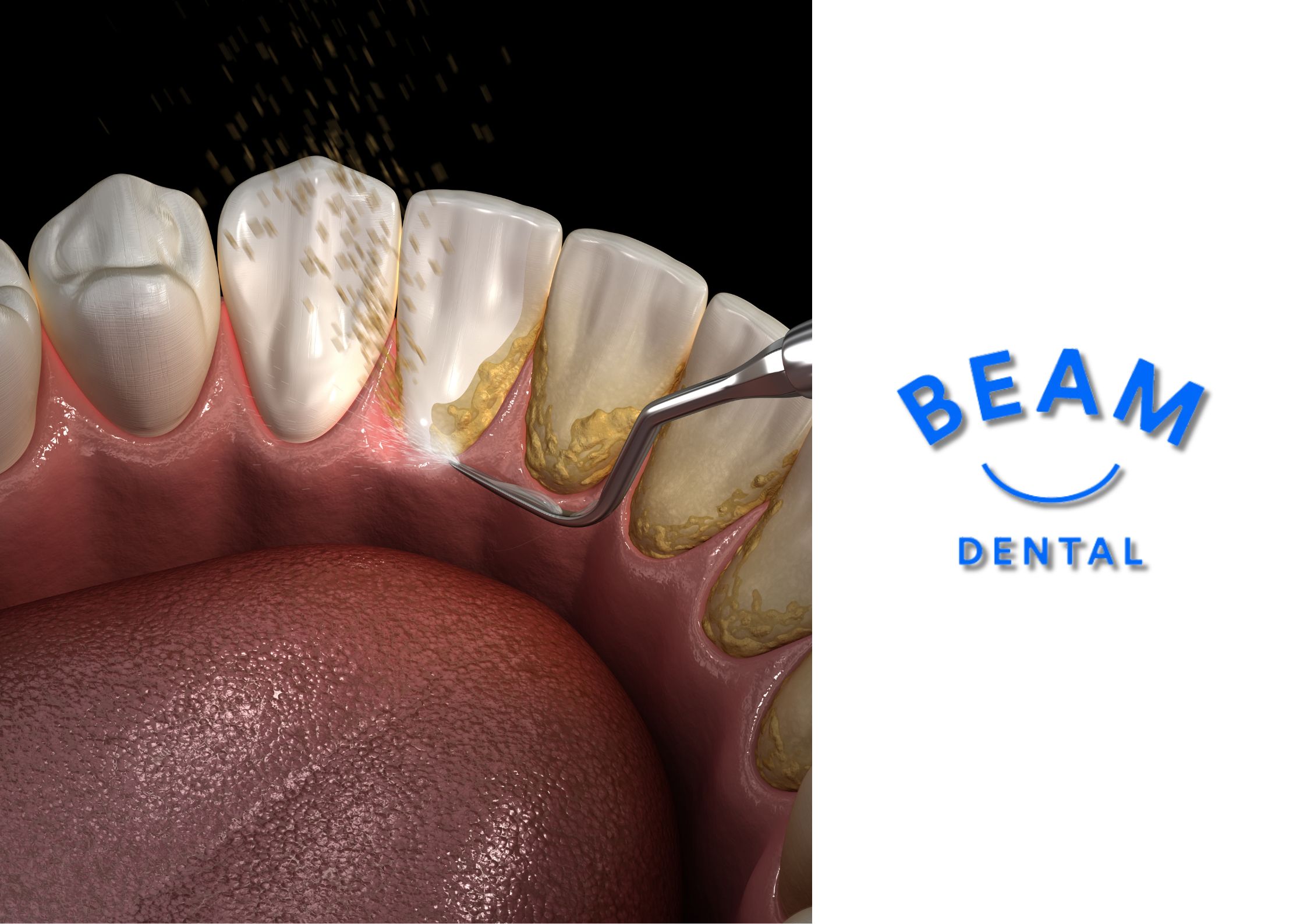
Tooth decay can affect children at a young age. It occurs when bacteria in the mouth produce acids that attack the teeth. Sugary foods and drinks can increase this risk, especially when consumed frequently throughout the day.
Decay does not always cause pain at first. A child may have a developing cavity without complaining. By the time pain appears, the problem may already be more advanced.
This is why regular dental check-ups matter. A dentist can identify early problems before they become severe. They can also provide advice to help reduce future risk.
Brushing Should Start Early
Brushing should begin as soon as your child’s first teeth come through. Parents should use an age-appropriate toothbrush and fluoride toothpaste.
For very young children, only a small smear of toothpaste is needed. As children get older, a pea-sized amount may be appropriate. Children should brush twice daily, including last thing at night before bed and at one other time during the day.
Parents should supervise brushing because young children do not usually have the skill to clean their teeth properly on their own. Even if a child wants to be independent, an adult should check and help where needed.
It is also important that children spit out after brushing and do not rinse with water immediately afterwards. Rinsing can wash away fluoride, reducing its protective effect.
Fluoride Helps Protect Children’s Teeth
Fluoride is important because it helps protect teeth against decay. Using fluoride toothpaste is one of the simplest ways to support your child’s oral health at home.
Parents should check that the toothpaste contains the appropriate fluoride level for the child’s age and risk level. If you are unsure which toothpaste to use, your dentist can advise you.
In some cases, dentists may recommend additional preventive care, such as fluoride varnish, depending on the child’s age, dental health and risk of decay.
The aim is to strengthen the teeth and reduce the chance of avoidable dental problems.
Diet Has a Major Impact on Children’s Teeth
Brushing is important, but diet also matters. Frequent sugary snacks and drinks can increase the risk of tooth decay.
The problem is not only how much sugar a child consumes, but how often they have it. Repeated exposure to sugar gives mouth bacteria more opportunities to produce acid that attacks the teeth.
Parents should try to keep sugary foods and drinks to mealtimes where possible. Water and milk are better choices between meals. Sweets, fizzy drinks, juices, sweetened milk drinks, biscuits and sticky snacks should be limited.
It is also sensible to avoid giving children sugary drinks in bottles, especially at bedtime. Teeth are more vulnerable at night because saliva flow reduces during sleep.
Dental Visits Help Build Confidence
Many adults are nervous about visiting the dentist because of negative experiences when they were younger. This is why children’s dentistry should be gentle, positive and reassuring.
A child who visits the dentist before there is pain or a serious problem is more likely to associate dental care with routine check-ups rather than emergencies. This can make future treatment easier if it is ever needed.
Beam Dental’s children’s dentistry service focuses on creating a friendly environment and helping children develop confidence. A calm, caring approach can make a major difference to how children feel about dental appointments.
Signs Your Child May Need a Dental Appointment
Parents should not wait for severe pain before booking a dental visit. There are several signs that a child may need to see a dentist.
These may include toothache, sensitivity, swelling, bleeding gums, bad breath, visible holes, dark marks on teeth, broken teeth, loose teeth that seem unusual for their age, difficulty chewing, jaw pain, mouth ulcers that do not heal, or anxiety about brushing.
You should also book an appointment if your child has fallen and injured a tooth, if an adult tooth appears before the baby tooth has fallen out, or if you notice crowding or bite concerns.
Early advice can help prevent a small concern from becoming more serious.
Children’s Dental Emergencies
Children can sometimes experience dental emergencies. These may include knocked-out teeth, broken teeth, dental abscesses, facial swelling, severe toothache or injuries from falls and sports.
If your child suffers a dental injury, contact a dentist promptly for advice. The correct action may depend on whether the tooth is a baby tooth or an adult tooth.
For severe swelling, difficulty breathing, uncontrolled bleeding or serious facial injury, urgent medical attention may be needed.
Parents should not ignore dental pain or swelling. Dental infections can worsen and should be assessed professionally.
Orthodontic and Tooth Development Concerns
As children grow, dentists also monitor how teeth and jaws are developing. Crowding, spacing, bite problems, missing teeth, delayed eruption or habits such as thumb sucking may need attention.
Not every child will need orthodontic treatment, but early monitoring can help identify whether a referral or future treatment may be appropriate.
Regular check-ups allow the dentist to watch development over time and advise parents at the right stage.
Helping Children Feel Comfortable at the Dentist
Parents can help children feel more comfortable by talking about dental visits positively. Avoid using frightening words or suggesting that the dentist is something to fear.
It can help to explain that the dentist will count their teeth, check their smile and help keep their mouth healthy. Bringing children to appointments from a young age can make the experience feel normal.
Parents should also avoid using dental treatment as a threat. Saying things like “the dentist will pull your teeth out if you eat sweets” can create unnecessary fear.
A calm, positive attitude from parents can help children feel more relaxed.
Why Prevention Is Better Than Cure
Preventive dentistry is especially important for children. It is much better to prevent tooth decay than to treat it after it has caused pain or damage.
Prevention includes regular check-ups, brushing twice daily with fluoride toothpaste, reducing sugar frequency, drinking water, using appropriate dental products and following professional advice.
When prevention is taken seriously, children are more likely to avoid dental pain, missed school, sleep disruption, emergency appointments and more complex treatment.
Good habits formed in childhood can continue into adulthood.
Do Not Wait Until There Is a Problem
One of the biggest mistakes parents make is waiting until their child complains of pain before booking a dental appointment.
By this stage, the problem may already be advanced. A child may need a filling, extraction or emergency treatment that could potentially have been avoided with earlier care.
Regular dental visits help detect issues sooner. They also give parents reassurance that their child’s teeth and gums are developing properly.
Children’s dentistry should be part of routine healthcare, just like eye tests, vaccinations and general health checks.
Why Choose Beam Dental for Children’s Dentistry?
Beam Dental is a private dental clinic located on the ground floor of Brent Cross Shopping Centre in London. The practice offers a comprehensive range of children’s dental services and treatments in a caring environment.
Their team aims to make each visit relaxing and positive, helping children build confidence and develop a healthy attitude towards dental care. The clinic is conveniently located for families in Brent Cross, Hendon, Golders Green, Finchley and surrounding areas.
Beam Dental also offers ground-floor access and free parking at Brent Cross Shopping Centre, making appointments easier for busy families.
Contact Beam Dental
If your child is due for a dental check-up, or if you have concerns about their teeth, gums or oral health, Beam Dental can help.
Their team provides friendly children’s dentistry in Brent Cross and can support your child with routine check-ups, preventive advice and treatment where needed.
To book an appointment or speak to the practice, use the details below:
Beam Dental Ground Floor, Unit E1C
Brent Cross Shopping Centre
London
NW4 3FH
Telephone: 0203 143 1000
Email: reception@beamdental.clinic
Website: beamdental.clinic
Do not neglect your child’s dentistry requirements. Early care, regular check-ups and good habits can help protect your child’s smile for years to come.

Mark Becker
Principal Dentist at Beam Dental
BChD (Leeds 1993),
BSc (Hons) (Soton 1989)
GDC No: 69593
Read More