How Professional Teeth Cleaning Helps Prevent Gum Disease
Gum disease often develops gradually. The early stages may cause little discomfort, which means inflammation can progress before a patient realises there is a problem.
The condition is closely associated with the build-up of bacterial plaque around the teeth and gum line. Daily brushing and interdental cleaning are therefore essential, but some deposits may remain in difficult-to-reach areas or harden into tartar that cannot be removed effectively with an ordinary toothbrush.
Professional teeth cleaning can remove these deposits, identify areas where plaque is repeatedly accumulating and help patients improve their daily cleaning technique. When combined with regular dental examinations and effective home care, it can play an important role in preventing and controlling gum disease.
What Is Gum Disease?
Gum disease describes inflammatory conditions affecting the gums and the structures supporting the teeth.
The earliest stage is commonly known as gingivitis. The gums may become red, swollen or prone to bleeding because plaque bacteria have accumulated near the gum margin.
If the inflammation progresses into the deeper supporting tissues, the condition is known as periodontitis. Periodontitis can damage the gum attachment and bone supporting the teeth, potentially leading to gum recession, movement of the teeth and eventual tooth loss.
Gum disease is not always painful in its early stages. Regular dental examinations are important because a patient may have inflammation or periodontal damage without experiencing an obvious toothache.
The Role of Dental Plaque
Dental plaque is a soft, sticky film containing bacteria that continually forms on the teeth.
It tends to collect around the gum line, between the teeth and in areas that are difficult to reach during brushing. If it is not removed regularly, the bacteria within the plaque can irritate the surrounding gums.
This irritation may cause bleeding and inflammation. Persistent plaque accumulation can contribute to the development and progression of periodontal disease in susceptible patients.
Plaque begins forming again after it has been removed, so gum-disease prevention depends on consistent daily cleaning rather than occasional intensive brushing.
What Is Tartar?
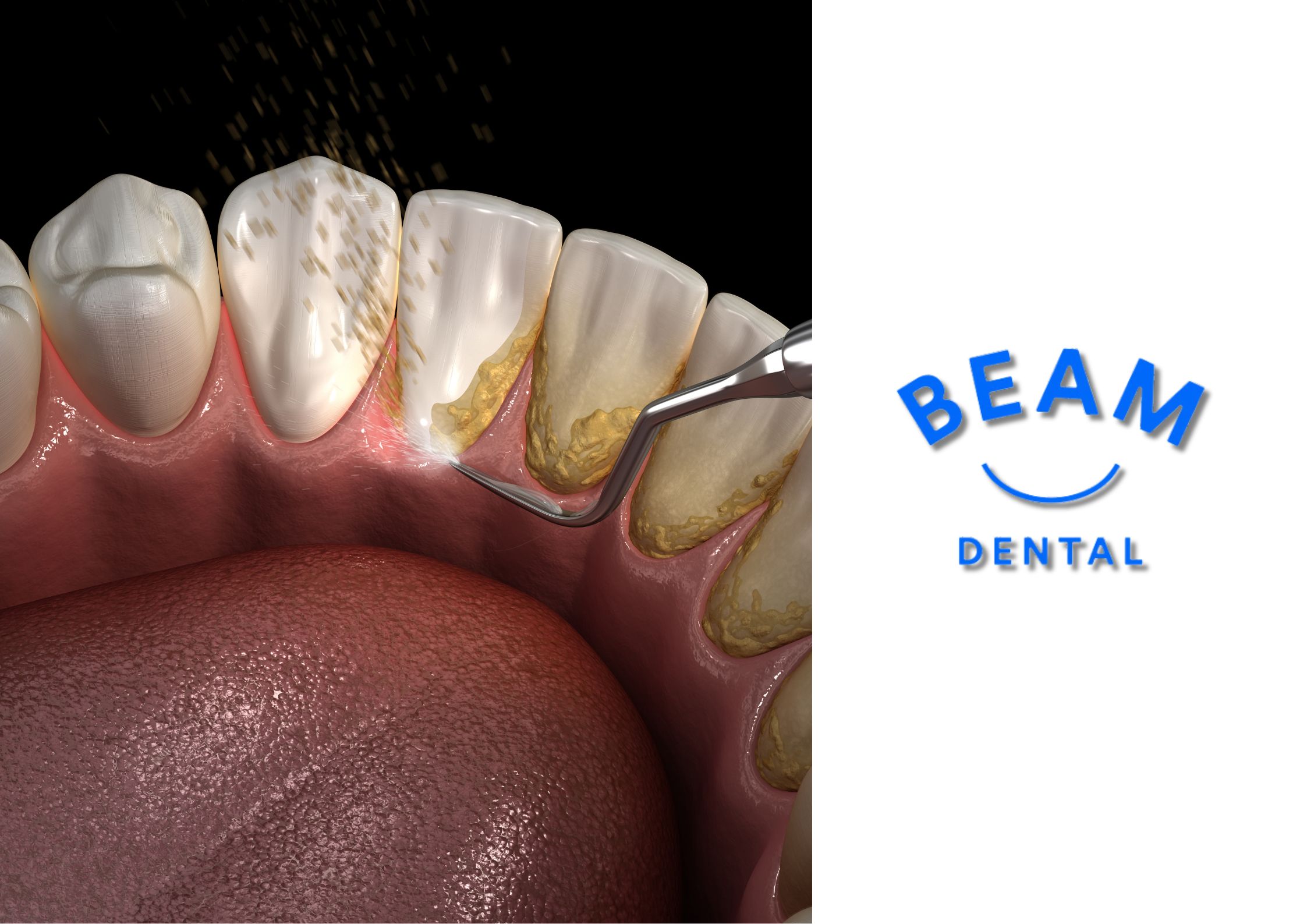
Tartar, also known as calculus, forms when plaque absorbs minerals and hardens on the tooth surface.
Unlike soft plaque, tartar cannot usually be removed with an ordinary toothbrush or floss. It needs to be removed using professional dental instruments.
Tartar can develop above the gum line and may also form below it. Its rough surface can retain further plaque, making the area more difficult for the patient to clean and increasing the risk of continued gum inflammation.
Professional cleaning removes these hardened deposits so that the tooth surfaces become easier to maintain at home.
What Is Professional Teeth Cleaning?
Professional teeth cleaning is carried out by an appropriately trained dental professional, which may include a dentist, dental hygienist or dental therapist.
A routine cleaning is often called a scale and polish. Scaling involves removing plaque and tartar from the teeth, particularly around the gum line and between areas that may be difficult to reach.
The teeth may then be polished to remove certain surface stains and leave the surfaces smoother.
Where gum disease has created deeper pockets around the teeth, more extensive cleaning below the gum line may be required. This is different from a routine cosmetic polish and forms part of active periodontal treatment.
How Cleaning Helps Prevent Gingivitis
Gingivitis develops when plaque bacteria repeatedly irritate the gums.
Removing the plaque and hardened deposits reduces the bacterial burden around the gum margin and allows the inflamed tissue an opportunity to recover.
Patients may notice less bleeding, redness and swelling after professional cleaning, provided effective plaque removal is maintained at home.
Professional cleaning alone cannot permanently prevent gingivitis because plaque begins to return after treatment. Its preventive value comes from combining deposit removal with improved daily brushing and interdental cleaning.
Preventing Progression to Periodontitis
Gingivitis does not always progress to periodontitis, but persistent inflammation increases concern, particularly in people with additional risk factors.
Professional cleaning can help remove plaque-retaining deposits before more extensive damage develops. Dental professionals can also monitor bleeding, gum-pocket depths, recession and other changes that may indicate periodontal disease.
Where periodontitis is already present, removing plaque and calculus above and below the gum line forms an important part of treatment and long-term maintenance.
Early identification may allow the disease to be controlled before substantial supporting tissue and bone are lost.
Reaching Areas Missed During Brushing
Even patients who brush regularly may repeatedly miss certain areas.
Common problem areas include:
• behind the lower front teeth;
• around crowded or overlapping teeth;
• between the back teeth;
• beneath bridges;
• around dental implants;
• near crowns and fillings;
• along the gum line; and
• around fixed orthodontic appliances.
Plaque can remain in these areas and eventually harden into tartar.
During a professional cleaning appointment, the dental professional can identify these patterns and show the patient how to clean the affected areas more effectively.
Cleaning Between the Teeth
A toothbrush does not fully clean the spaces between teeth.
The NHS advises cleaning between the teeth every day using floss or an interdental brush to remove plaque and debris from these areas.
The most appropriate method depends on the size of the spaces, the patient’s dexterity and whether they have bridges, implants, braces or gum recession.
A dental hygienist or therapist can demonstrate the correct technique and help select suitable interdental-brush sizes.
Using a brush that is too small may provide limited cleaning, while forcing an oversized brush through a tight space can cause unnecessary discomfort or damage.
Identifying Where Your Technique Needs Improvement
One of the most valuable parts of a hygiene appointment is personalised oral-hygiene instruction.
A dental professional can identify where plaque remains and explain why the patient’s current technique may not be reaching the area.
Patients may be shown:
• how to angle the toothbrush towards the gum line;
• how much pressure to use;
• how long to brush;
• which areas are being missed;
• how to use interdental brushes or floss;
• how to clean around restorations or appliances; and
• whether an electric or manual toothbrush is most appropriate.
Professional guidance can make daily cleaning more effective rather than simply encouraging the patient to brush harder or more frequently.
What Happens During a Hygiene Appointment?
The appointment normally begins with a review of the patient’s dental and medical history.
The dental professional may ask about bleeding gums, sensitivity, smoking, medication, diabetes, previous gum treatment and the patient’s current cleaning routine.
The gums and teeth may then be examined for plaque, tartar, inflammation and other signs of periodontal problems.
Scaling instruments are used to remove deposits. These may include hand instruments and ultrasonic equipment that uses controlled vibration and water.
The teeth may also be polished where appropriate, and personalised advice is normally provided to help the patient maintain the result.
Does Professional Cleaning Hurt?
Routine scaling is often comfortable, although some patients may experience sensitivity.
Discomfort is more likely where the gums are inflamed, tartar extends below the gum line or the roots of the teeth have become exposed.
Patients should tell the dental professional if they feel uncomfortable. The treatment can often be adjusted, divided into shorter visits or completed using local anaesthetic where clinically appropriate.
Bleeding during cleaning may occur when the gums are already inflamed. This does not necessarily mean that the cleaning has damaged healthy gums.
Is a Scale and Polish the Same as Deep Cleaning?
A routine scale and polish usually removes plaque and tartar from accessible tooth surfaces, particularly above and around the gum line.
Deep cleaning is generally used to describe more extensive removal of deposits from below the gum line and around the roots of teeth affected by periodontitis.
This may be called root-surface debridement or non-surgical periodontal treatment.
Patients with deeper periodontal pockets may require several appointments, local anaesthetic and ongoing reassessment.
The type of cleaning recommended should be based on the condition of the gums rather than on a standard package offered to every patient.
How Gum Health Is Assessed
A dental professional may use a periodontal probe to measure the spaces between the teeth and gums.
Healthy gum spaces are normally shallow and easy to keep clean. Deeper pockets may indicate that supporting tissue has been lost and that bacteria and tartar are accumulating below the gum line.
The examination may also assess:
• bleeding when the gums are gently probed;
• visible plaque and tartar;
• gum recession;
• tooth mobility;
• changes in the position of teeth;
• exposure between tooth roots; and
• bone levels on dental X-rays.
These findings help determine whether the patient requires routine preventive care, active periodontal treatment or referral for specialist assessment.
Common Signs of Gum Disease
Possible warning signs include:
• gums that bleed during brushing or interdental cleaning;
• red or swollen gums;
• persistent bad breath;
• tenderness around the gum line;
• gum recession;
• teeth appearing longer;
• gaps developing between teeth;
• movement or drifting of teeth;
• discomfort when chewing; and
• loose teeth.
Some patients have few obvious symptoms, particularly in the earlier stages. Bleeding should not be ignored merely because it is painless.
Why Bleeding Gums Should Not Be Considered Normal
Patients sometimes stop brushing an area because the gum bleeds.
This can allow more plaque to remain and may worsen the inflammation.
Bleeding commonly indicates that the gum tissue is inflamed and requires better plaque control and professional assessment.
The area should generally continue to be cleaned carefully rather than avoided, although persistent or unexplained bleeding should be examined by a dental professional.
Once the bacterial plaque is controlled, bleeding associated with gingivitis can often reduce.
Can Professional Cleaning Cure Gum Disease?
The answer depends on the type and stage of the condition.
Gingivitis can often improve substantially when plaque and tartar are removed and the patient maintains effective daily oral hygiene.
Periodontitis causes damage to the structures supporting the teeth. Treatment aims to control the disease, reduce inflammation and prevent or slow further destruction rather than simply restoring all lost tissue.
Periodontitis is a chronic condition that can recur or worsen without effective plaque control and supportive periodontal care.
Patients who have received treatment may therefore require ongoing monitoring and professional maintenance even after the gums appear healthier.
Why Home Cleaning Remains Essential
Professional cleaning cannot compensate for ineffective daily plaque removal.
Government oral-health guidance emphasises that removing professional deposits has limited value when the patient does not maintain a high standard of plaque control at home.
Patients should normally:
• brush twice daily with fluoride toothpaste;
• clean between their teeth every day;
• concentrate on the gum line;
• replace worn toothbrush heads;
• follow any personalised instructions; and
• attend recommended dental reviews.
The aim is to disturb plaque frequently enough that it does not remain around the gums and mature into a more harmful bacterial community.
How Often Should You Have Professional Cleaning?
There is no single cleaning interval that is correct for every patient.
The appropriate frequency depends on the condition of the gums, how quickly tartar forms, the quality of home care and the presence of risk factors.
A patient with healthy gums and effective cleaning may require less frequent professional treatment than someone with active periodontitis, dental implants, significant tartar deposits or a history of gum disease.
Supportive periodontal care may involve regular monitoring, oral-hygiene reinforcement and professional removal of plaque and calculus at intervals determined by the dental team.
The recommendation should be personalised rather than based solely on a routine six-month schedule.
Smoking and Gum Disease
Smoking is a major risk factor for periodontal disease and can reduce the chances of successful treatment.
Smokers may have less obvious bleeding because smoking affects the gum’s blood supply, which can conceal visible inflammation even while disease is progressing.
The British Society of Periodontology identifies smoking as an important risk factor and states that stopping smoking is an important part of reducing the risk of developing gum disease.
Professional cleaning remains valuable, but long-term gum health is more difficult to maintain if smoking continues.
Diabetes and Gum Health
People with diabetes may have a greater susceptibility to periodontal disease, particularly where blood-glucose control is poor.
Gum inflammation and infection may also make diabetes more difficult to manage in some patients.
Dental professionals should be informed about a diabetes diagnosis, relevant medication and any changes in general health.
Professional gum treatment, effective home care and ongoing monitoring may be particularly important for these patients.
Cleaning Around Dental Implants
Dental implants cannot develop tooth decay, but the gum and bone around them can still become inflamed or infected.
Plaque accumulation around an implant may cause peri-implant mucositis and, in more advanced cases, loss of supporting bone.
Professional cleaning allows the dental team to assess the gum tissue, remove accessible deposits and check whether the patient can clean effectively around the implant restoration.
Special instruments may be used to avoid damaging the implant surface.
Patients with implants should not assume that the replacement tooth requires less care than a natural tooth.
Cleaning Around Braces
Fixed braces create additional surfaces where plaque and food debris can collect.
Brackets and wires may make brushing and interdental cleaning more difficult, increasing the risk of gum inflammation, decay and permanent marks on the teeth.
A dental hygienist or therapist can demonstrate suitable brushes and techniques for cleaning around the orthodontic appliance.
Professional cleaning may remove deposits that the patient has been unable to reach and help protect the gums throughout treatment.
Does Professional Cleaning Remove Stains?
Polishing may remove certain external stains caused by tea, coffee, tobacco and other substances.
This can improve the visible appearance of the teeth, but stain removal is not the main reason professional cleaning supports gum health.
A tooth may appear clean while plaque and tartar remain near or below the gum line.
Professional cleaning is different from tooth whitening. Whitening changes the shade of natural tooth tissue, while scaling and polishing primarily remove deposits and certain surface stains.
Can Cleaning Help with Bad Breath?
Persistent bad breath can have several causes, including plaque, gum disease, tongue coating, decay, dry mouth, smoking and certain medical conditions.
Removing plaque and tartar may help when bacteria around the teeth and gums are contributing to the odour.
The patient may also be advised to improve interdental cleaning and gently clean the tongue.
Professional cleaning will not permanently resolve bad breath if the underlying cause is untreated decay, dry mouth, smoking or another health problem.
Persistent symptoms should therefore be assessed rather than repeatedly covered with mouthwash or breath fresheners.
Is Mouthwash a Substitute for Cleaning?
Mouthwash may be recommended for particular patients or short-term clinical situations, but it does not physically remove tartar and cannot replace brushing or interdental cleaning.
Mechanical plaque removal remains central to gum-disease prevention.
Certain medicated mouthwashes may help reduce plaque and gingival inflammation when used appropriately, but they should be used according to professional instructions because some products can cause staining, taste changes or other side effects.
Patients should not rely on mouthwash to compensate for areas that are not being brushed.
Can You Remove Tartar at Home?
Patients should not attempt to scrape tartar from their teeth using sharp instruments purchased online or household objects.
This can damage the gums, scratch tooth surfaces or restorations and create a risk of injury or infection.
Tartar may also extend below the gum line where it cannot be seen or removed safely without professional assessment.
A dental professional uses instruments and techniques intended to remove deposits while limiting damage to the surrounding tissues.
The safer approach is to prevent heavy tartar formation through effective plaque control and attend professional cleaning appointments when advised.
Who May Need More Frequent Support?
More frequent professional monitoring may be recommended for patients who:
• have previously been treated for periodontitis;
• form heavy tartar deposits;
• smoke;
• have diabetes;
• struggle with manual dexterity;
• wear fixed braces;
• have dental implants;
• have crowded teeth;
• take medication causing dry mouth;
• have reduced immune function; or
• find effective home cleaning difficult.
The interval should be based on clinical need and reviewed as the patient’s gum health and home-care ability change.
The Importance of Regular Dental Examinations
A hygiene appointment does not replace a complete dental examination.
During a dental review, the teeth, gums and other areas of the mouth can be assessed for decay, gum disease, oral cancer and other conditions. X-rays may also be required where clinically appropriate.
The dentist can diagnose the condition, discuss treatment options and determine whether routine cleaning is sufficient.
Professional cleaning and dental examinations therefore perform different but complementary roles.
Maintaining the Result After Cleaning
The cleaner tooth surfaces created during treatment provide an opportunity to improve daily plaque control.
Patients should follow the specific techniques demonstrated during the appointment and pay particular attention to the areas where deposits were found.
A suitable routine will usually include twice-daily brushing and daily cleaning between the teeth.
Patients should contact the practice where bleeding, swelling, bad breath or discomfort persists despite improved cleaning.
Waiting until tartar becomes visibly heavy or a tooth becomes loose can allow the condition to progress unnecessarily.
Protecting Your Gums for the Long Term
Professional teeth cleaning helps prevent gum disease by removing plaque and hardened tartar that cannot be managed effectively through brushing alone.
It also gives the dental team an opportunity to identify inflammation, assess gum-pocket depths and show patients how to clean more effectively between appointments.
The greatest benefit is achieved when professional treatment is supported by consistent home care. Brushing twice daily, cleaning between the teeth and controlling factors such as smoking remain central to maintaining healthy gums.
Professional cleaning should therefore be viewed as part of an ongoing preventive programme rather than a one-off solution. With personalised advice, regular assessment and timely treatment, many patients can control gum inflammation and reduce the risk of progressive damage to the tissues supporting their teeth.

Mark Becker
Principal Dentist at Beam Dental
BChD (Leeds 1993),
BSc (Hons) (Soton 1989)
GDC No: 69593
Read More