How Often Should You Visit a Dental Hygienist?
Many people know they should visit the dentist, but they are less sure about how often they should see a dental hygienist. Some patients assume that a hygienist appointment is only needed when teeth feel stained or gums start bleeding. Others book a scale and polish every six months as part of their routine.
The truth is that the right frequency depends on your individual oral health. Some people may only need occasional hygiene appointments, while others may benefit from more regular visits. Your gum health, plaque build-up, medical history, smoking status, diet, brushing habits, dental restorations and risk of gum disease can all affect how often you should see a hygienist.
At Beam Dental in Brent Cross, dental hygienist appointments are available for routine check-ups, scale and polish, and professional oral hygiene support. Their hygienists can help remove plaque and tartar, polish the teeth and give practical advice to help you keep your mouth healthier at home.
What Does a Dental Hygienist Do?
A dental hygienist focuses on prevention and gum health. While a dentist diagnoses and treats a wide range of dental conditions, a hygienist helps patients maintain clean teeth, healthier gums and better oral hygiene habits.
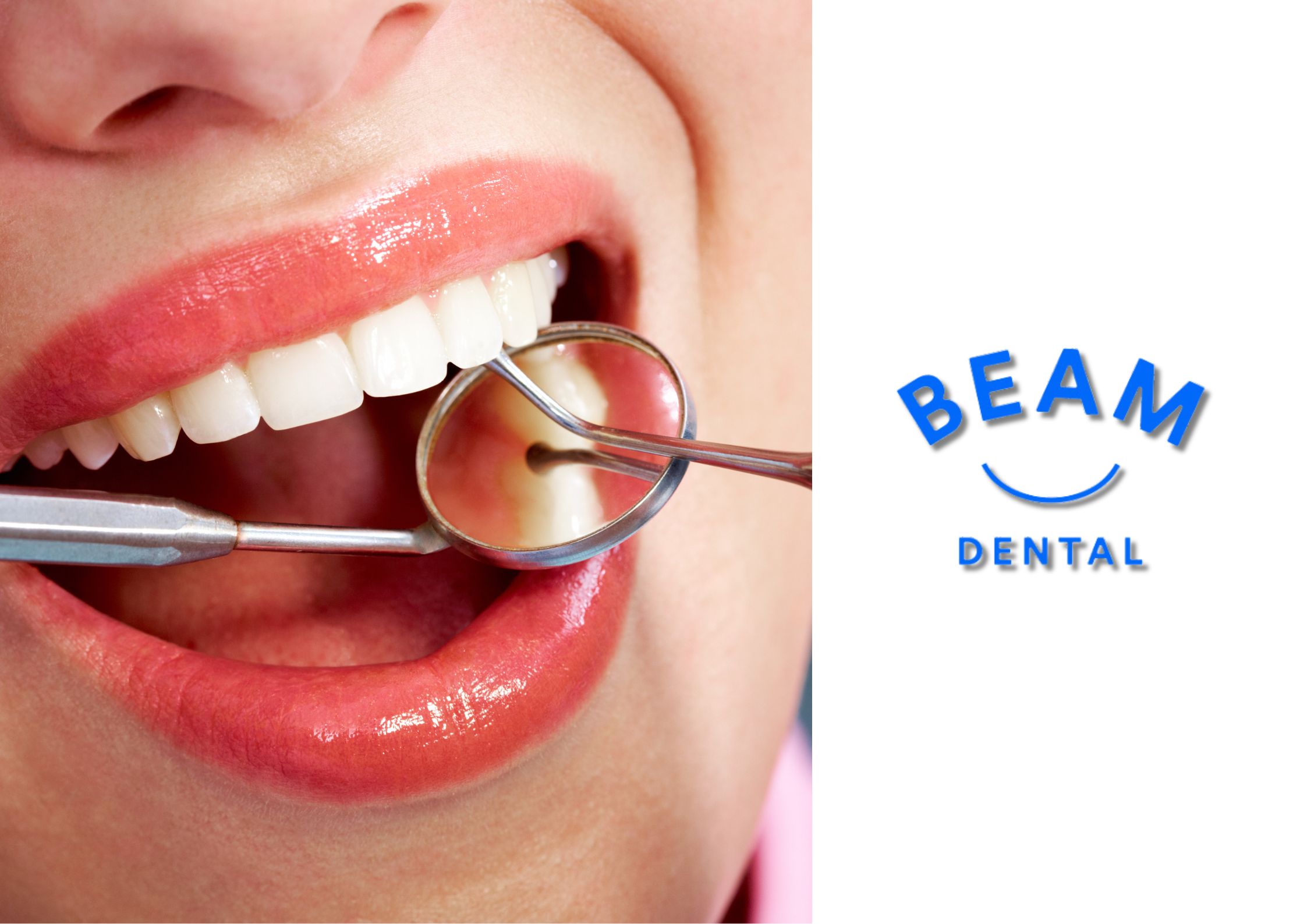
During a hygiene appointment, the hygienist may assess your gums, remove plaque and tartar, polish the teeth, clean difficult-to-reach areas, advise on brushing technique, recommend interdental cleaning methods and help you understand how to reduce future build-up.
This is particularly important because some areas of the mouth are difficult to clean properly at home. Even with good brushing, plaque can harden into tartar. Once tartar has formed, it usually cannot be removed properly with a normal toothbrush.
A professional scale and polish can help remove these deposits and leave the teeth feeling cleaner and smoother.
Why Dental Hygiene Appointments Matter
Dental hygiene appointments are not only about making teeth look clean. They are an important part of preventive dental care.
Plaque contains bacteria. If it is not removed properly, it can contribute to tooth decay and gum inflammation. Over time, gum problems may become more serious and can lead to bleeding, bad breath, gum recession, loose teeth and tooth loss.
Regular hygiene appointments can help reduce plaque and tartar build-up. They also give patients the opportunity to receive tailored advice on how to improve their daily oral care routine.
This can be especially valuable for patients who brush regularly but still notice bleeding gums, staining, bad breath or tartar build-up.
Is Every Six Months the Right Answer?
Many people believe everyone should see the dentist or hygienist every six months. For some patients, this may be appropriate. However, not everyone has the same level of risk.
NHS guidance explains that dental check-up frequency should be based on oral health and risk of future problems. Some people may need to attend more often, while others may not need to go as frequently. The time between dental check-ups can vary from three months to two years, depending on the person’s oral health and risk level.
The same principle applies to hygiene visits. A patient with healthy gums, low plaque levels and excellent oral hygiene may need fewer visits than someone with gum disease, heavy tartar build-up, dental implants, smoking habits or medical conditions that affect oral health.
The best answer is to ask your dentist or hygienist for a personalised recommendation.
Who May Need More Frequent Hygienist Visits?
Some patients may be advised to see a dental hygienist more often than others.
This may include people with gum disease, bleeding gums, heavy plaque or tartar build-up, bad breath, dental implants, crowns, bridges, orthodontic appliances, a history of tooth loss, diabetes, dry mouth, smoking habits, poor oral hygiene, or a high risk of tooth decay.
Patients who have had periodontal treatment may also need more regular maintenance visits. In these cases, hygiene appointments can help monitor gum health and reduce the risk of further deterioration.
More frequent appointments are not a punishment. They are a preventive measure designed to help protect your teeth and gums.
Who May Need Less Frequent Hygienist Visits?
Some people have very good oral health. They brush carefully, clean between their teeth, have minimal plaque build-up, do not smoke, have no gum disease and attend regular dental check-ups.
These patients may not need hygienist appointments as often as someone with higher risk factors.
However, this should still be decided professionally. Even if your teeth feel clean, a dentist or hygienist can identify areas that need attention and advise whether routine hygiene appointments should be annual, six-monthly or more frequent.
It is better to make the decision based on professional assessment rather than guesswork.
What Happens During a Scale and Polish?
At Beam Dental, a scale and polish is designed to give teeth a thorough clean and smooth the tooth surfaces. This can help reduce bacteria building up on polished enamel and make it easier to keep the mouth clean at home.
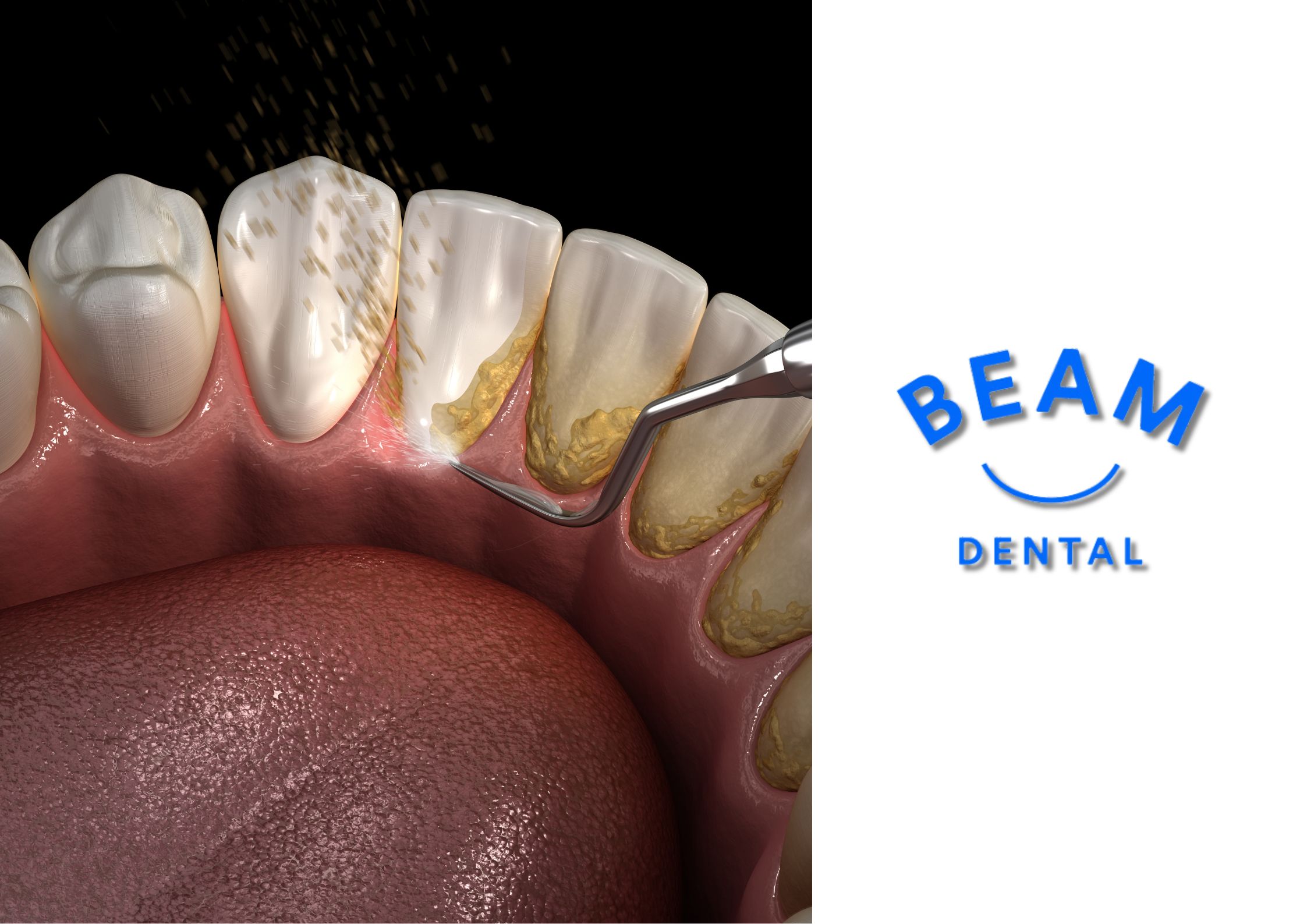
Scaling involves removing harder deposits of calculus or tartar from the teeth. Beam Dental explains that this may be done using an electric scaler with a fine vibrating tip and a cooling mist of water to help remove tartar and wash away debris.
After scaling, the teeth are polished to help smooth the surfaces and remove some staining. Patients often leave the appointment with teeth that feel cleaner and fresher.
Does a Dental Hygienist Appointment Hurt?
A dental hygienist appointment should not be something to fear. Some patients may experience minor discomfort, especially if there is heavy tartar build-up, gum inflammation or sensitive teeth. However, the aim is to keep treatment as comfortable as possible.
If you are nervous, have sensitive teeth or have had a bad experience in the past, tell the hygienist before the appointment begins. They can work carefully, explain what they are doing and help you feel more at ease.
Beam Dental’s own hygienist information notes that while there may be minor discomfort, their team aims to make treatment as painless as possible.
How Long Does a Hygienist Appointment Take?
The length of a hygienist appointment can vary depending on the level of cleaning required and the patient’s oral health.
Beam Dental states that a dental hygienist appointment typically takes around 30 minutes. Some patients may need longer if there is heavy tartar build-up, gum disease or additional treatment required.
If you have not seen a hygienist for a long time, or if you know you have gum problems, it is worth mentioning this when booking so the practice can advise appropriately.
Dental Hygienist Visits and Bad Breath
Bad breath can be embarrassing and may sometimes be linked to plaque build-up, gum disease, food debris or poor interdental cleaning.
A hygienist can help by cleaning areas that are difficult to reach at home and advising on better brushing and interdental cleaning techniques. If bad breath is caused by gum inflammation or trapped plaque, hygiene treatment may help improve the situation.
However, bad breath can have different causes. If it continues despite good oral hygiene, you should speak to your dentist for further advice.
Dental Hygienist Visits and Gum Disease
Gum disease is one of the main reasons people need dental hygiene support. Early gum inflammation may cause redness, swelling or bleeding when brushing. More advanced gum disease can affect the supporting structures around the teeth.
Professional cleaning can help remove plaque and tartar from around the gumline. The hygienist can also show you how to clean more effectively at home, including between the teeth.
Gum health is not only about appearance. Healthy gums help support healthy teeth. Ignoring bleeding gums can allow problems to become more serious.
Hygienist Appointments for Staining
Tea, coffee, red wine, smoking and certain foods can stain teeth over time. A hygienist appointment may help remove surface staining and make teeth look cleaner and brighter.
However, a scale and polish is not the same as teeth whitening. Hygiene treatment cleans the teeth and may remove external staining, while whitening changes the shade of the natural teeth.
If you are concerned about tooth colour, the best approach is to book an assessment. Beam Dental can advise whether hygiene treatment, professional whitening or another option may be suitable.
Keeping Your Teeth Clean Between Visits
Seeing a dental hygienist is important, but daily care at home matters even more. A hygienist can remove build-up and give advice, but long-term oral health depends on what happens between appointments.
Most people should brush twice daily with fluoride toothpaste and clean between the teeth using interdental brushes or floss, depending on professional advice. It is also sensible to reduce sugary snacks and drinks, avoid smoking, attend dental check-ups and follow any specific instructions given by your dental team.
If you are unsure how to clean properly between your teeth, ask your hygienist to demonstrate. Many people improve their gum health significantly once they learn the right technique.
Why Choose Beam Dental for Dental Hygiene?
Beam Dental is a private dental clinic located on the ground floor of Brent Cross Shopping Centre in London. The practice provides dental hygienist appointments for patients in Brent Cross, Hendon, Golders Green, Finchley, Mill Hill, Hampstead and surrounding areas.
Beam Dental offers dental hygiene appointments including routine check-ups, scale and polish, and oral hygiene advice. Their hygienist appointments start from £90.00, depending on requirements and whether additional work is needed.
The clinic is conveniently located inside Brent Cross Shopping Centre, with ground-floor access and free parking, making it easier for patients to fit dental hygiene into their routine.
So, How Often Should You Visit a Dental Hygienist?
There is no single answer that suits everyone.
Some patients may benefit from seeing a hygienist every three months. Others may be advised to attend every six months. Some patients with excellent oral health may need less frequent appointments.
The right frequency should be based on your oral health, gum condition, plaque levels, lifestyle, medical history and risk of future problems.
If you are unsure, book an appointment and ask Beam Dental’s team for personalised advice. A professional assessment is the best way to understand how often you should visit the hygienist.
Contact Beam Dental
If your teeth feel stained, your gums bleed when brushing, you have bad breath, or you simply want to maintain a cleaner and healthier smile, Beam Dental can help.
Their dental hygienist team can provide a professional scale and polish, support your gum health and give advice on improving your daily oral hygiene routine.
To book a hygienist appointment or speak to the practice, use the details below:
Beam Dental Ground Floor, Unit E1C
Brent Cross Shopping Centre
London
NW4 3FH
Telephone: 0203 143 1000
Email: reception@beamdental.clinic
Website: beamdental.clinic
If you are unsure how often you should visit a dental hygienist, contact Beam Dental in Brent Cross and arrange a professional dental hygiene appointment.

Mark Becker
Principal Dentist at Beam Dental
BChD (Leeds 1993),
BSc (Hons) (Soton 1989)
GDC No: 69593
Read More