Restorative Dental Treatments: Fillings, Root Canals, Crowns and Bridges Explained

A damaged tooth or a gap in your smile can raise several questions. Can the tooth be repaired? Will you need a crown? What does root canal treatment actually involve? Understanding the purpose of each treatment can make that first conversation with your dentist easier.
Restorative dental treatments aim to repair damaged teeth or replace missing ones, helping restore function and, where appropriate, appearance. Fillings, root canal treatment, crowns and bridges address different problems. Sometimes they form part of the same treatment plan, rather than being alternatives to one another.
Beam Dental Clinic in Brent Cross lists all four among its services. The right starting point is an assessment, not choosing a procedure from a list. Explore Beam Dental Clinic.
Fillings: Repairing a Cavity
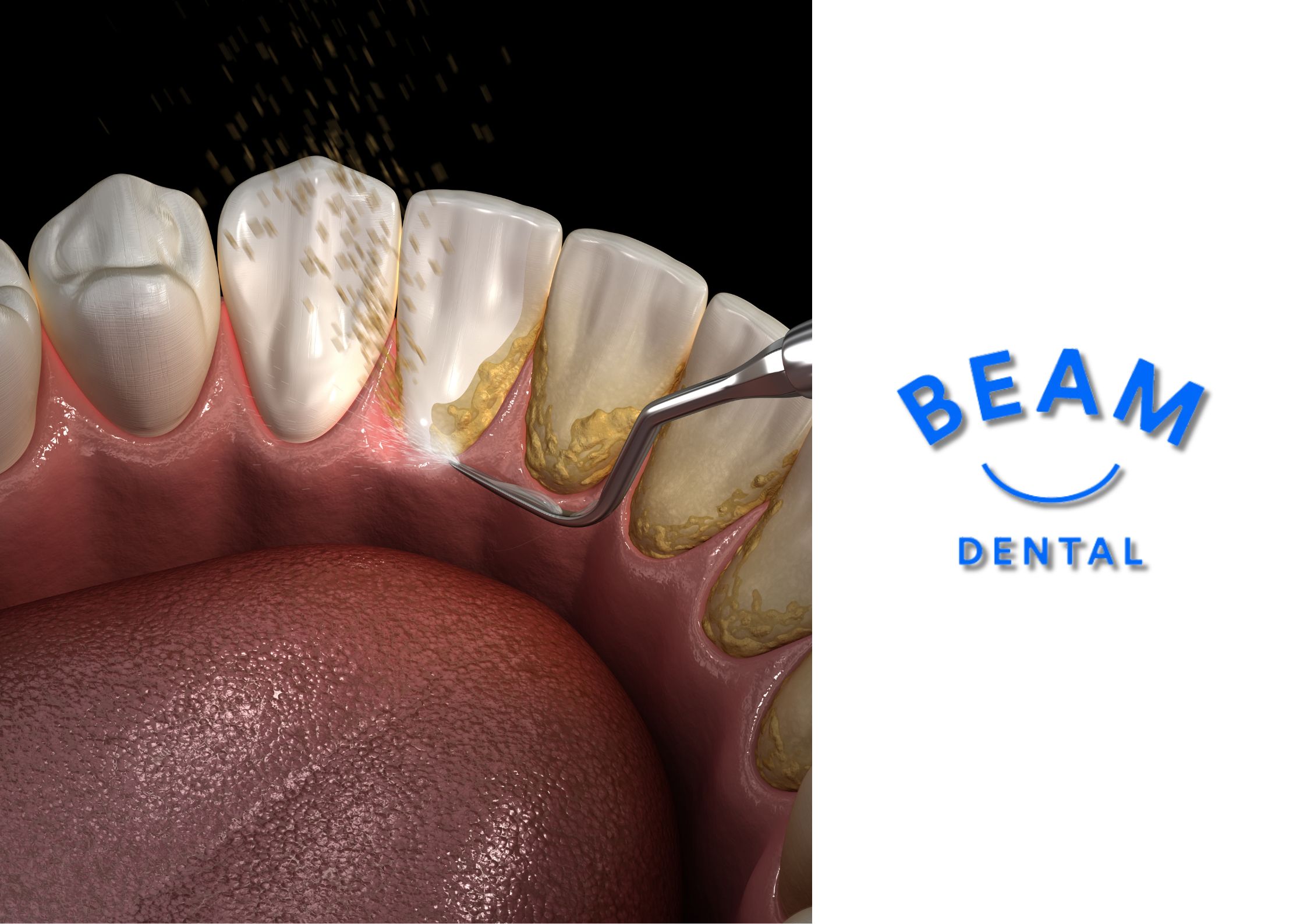
A filling repairs a hole in a tooth caused by decay. Different filling materials are available, and the dentist recommends an option according to the tooth’s clinical needs. A filling restores the affected area rather than covering the whole tooth. Read the NHS guide to dental treatments.
Beam offers tooth-coloured white fillings, which provide an option for repairing cavities while blending with the surrounding tooth. Find out about white fillings at Beam.
If you have been told you need a filling, ask which tooth is affected, what the dentist has found and why the suggested material is suitable. You can also ask how the tooth will be kept comfortable during treatment and what to expect afterwards.
It is worth explaining whether your main concern is discomfort, appearance or a previous dental experience. These details help your dentist understand what you need from the discussion, alongside the clinical findings.
Root Canal Treatment: Treating Infection Inside a Tooth
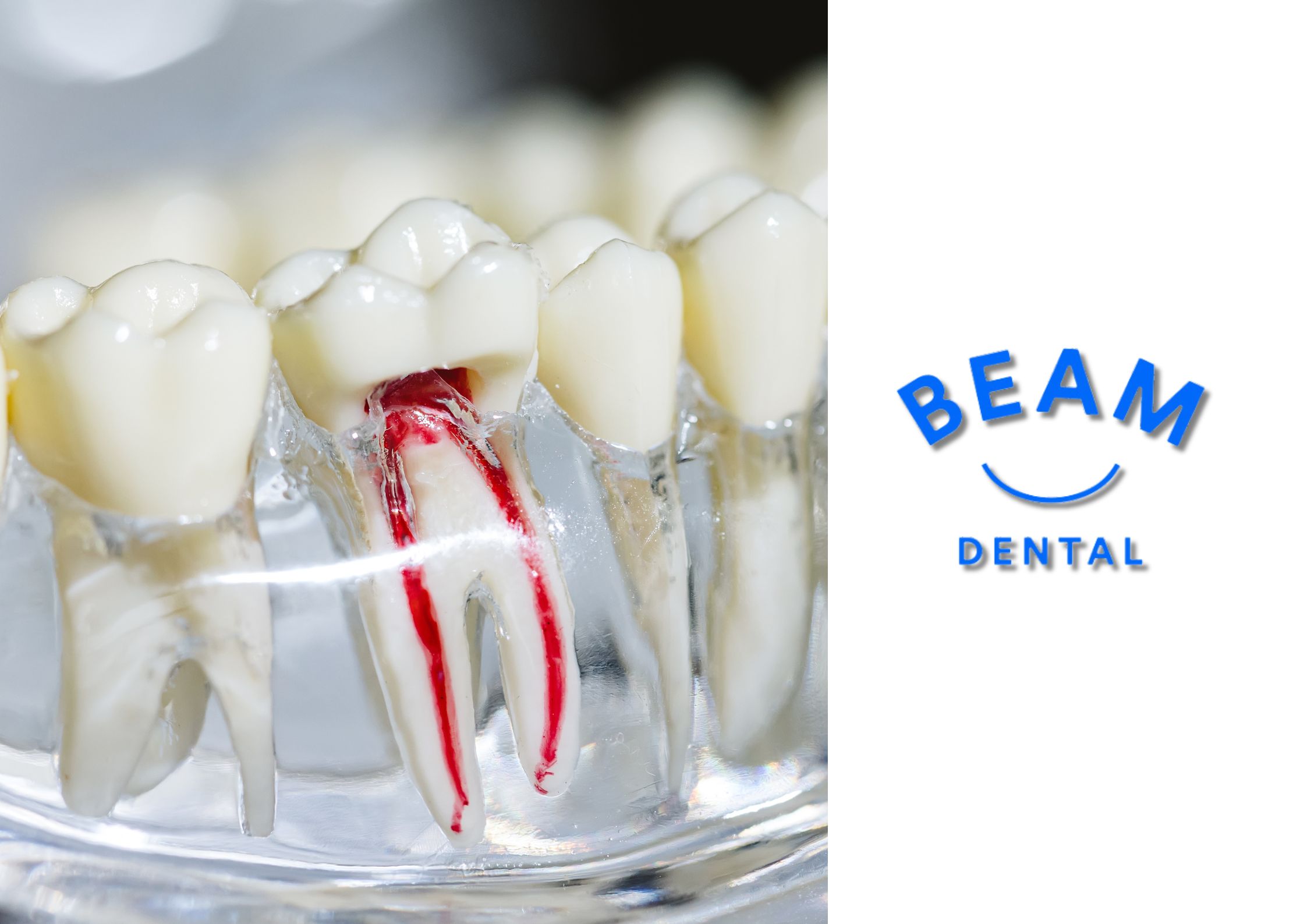
Root canal treatment addresses infection in the soft tissue inside a tooth, known as the pulp. It is different from simply repairing a surface cavity. The dentist removes infected pulp, cleans and shapes the root canal system, then fills and seals it.
The aim is to retain a tooth that might otherwise need removal. Treatment is usually carried out using local anaesthetic, and it commonly involves more than one appointment. A temporary filling may be used between visits, with a final restoration needed afterwards. Some teeth also require a crown. Read the NHS explanation of root canal treatment.
Ask how many appointments are anticipated and whether your case requires specialist input. It is also helpful to clarify which parts of the overall treatment are included in your estimate.
Beam lists root canal treatment among its general dentistry services. An examination is needed to establish whether it is suitable for your tooth.
Why a Root Canal and Crown May Be Discussed Together
These treatments do different jobs. Root canal treatment deals with the inside of the tooth, while a crown covers its remaining outer structure. Being advised to consider both does not mean one has made the other unnecessary.
Ask your dentist to explain the proposed sequence and why each stage is recommended. Understanding the complete plan is more useful than looking at each appointment in isolation.
Crowns: Covering and Supporting a Damaged Tooth
A crown is a custom-made cover fitted over the remaining tooth. It may be considered when a tooth is badly damaged, weakened by a large filling or has undergone root canal treatment. It can restore the tooth’s shape and appearance as well as help it function.
Crown preparation usually involves shaping the tooth and taking an impression or digital scan. A temporary crown may protect it while the final restoration is made. The dentist checks the completed crown’s fit and comfort before securing it. Materials vary, so there is no single crown option that suits every situation. Read the Oral Health Foundation’s crown guidance.
Because a crown involves preparing the tooth, ask why it is recommended and whether a more conservative repair is suitable. Discuss appearance, likely maintenance and any uncertainties about the tooth’s long-term outlook.
You can read about dental crowns at Beam before your appointment and bring any questions to the consultation.
Bridges: Replacing a Missing Tooth
A bridge replaces one or more missing teeth with a fixed restoration. Unlike a removable denture, it stays in place. Its suitability depends on the gap and the structures available to support it.
Different bridge designs use different forms of support. Some involve preparing neighbouring teeth for crowns, while adhesive designs use a bonded attachment. Your dentist should explain which design is being considered and what it means for the supporting teeth.
Cleaning around and underneath a bridge is important, so ask for a practical demonstration. The Oral Health Foundation explains both the role of bridges and the need to assess the teeth supporting them. Read its dental bridge guidance.
A bridge is not automatically the best answer to every gap. Ask about other appropriate options, their advantages and disadvantages, and what choosing no replacement would mean in your circumstances.
Make the Treatment Plan Clear Before Starting
The most useful consultation leaves you understanding the problem as well as the proposed solution. Ask your dentist to explain the findings in everyday language and show you any relevant images.
Clarify the benefits, risks, alternatives and likely costs before agreeing to treatment. If the plan includes several stages, ask which are urgent, which complete the restoration and whether further appointments may be needed.
Tell the team if you feel anxious or have had difficulty tolerating treatment previously. You can discuss how to communicate during an appointment and agree a signal if you need a pause.
You do not need to remember every technical term. A clear written plan and an opportunity to ask questions can help you make an informed decision.
Looking After Restored Teeth
A restoration does not replace everyday oral care. NHS advice is to brush twice daily with fluoride toothpaste, spit rather than rinse immediately afterwards, and clean between teeth daily using a suitable method. Read NHS tooth-cleaning guidance.
Ask your dental team how to adapt cleaning around your particular restoration and follow the aftercare instructions provided. Keep any recommended follow-up appointments, especially if treatment is not yet complete.
Know When to Seek Urgent Help
A suspected dental abscess needs urgent dental treatment and will not go away on its own. Contact a dentist promptly, or use NHS 111 if you cannot access urgent dental care.
Call 999 or go to A&E if dental swelling is accompanied by difficulty breathing, speaking or swallowing, or if you have substantial swelling in your mouth. A swollen or painful eye or changes to your eyesight also require emergency attention. Read the NHS dental abscess guidance.
Discuss Restorative Dental Treatments With Beam
Whether you are concerned about a damaged tooth, an existing restoration or a missing tooth, start with a conversation about your options.
Beam Dental Clinic is based in Brent Cross Shopping Centre, serving patients from Brent Cross, Hendon and surrounding North London areas. To arrange an assessment, contact Beam Dental Clinic on 0203 143 1000 or email reception@beamdental.clinic.

Mark Becker
Principal Dentist at Beam Dental
BChD (Leeds 1993),
BSc (Hons) (Soton 1989)
GDC No: 69593
Read More