Preventative Dental Care: Check-Ups, Cleaning and Dental X-Rays Explained

Looking after your teeth involves more than dealing with a problem when it becomes painful. Preventative dental care combines everyday habits with professional assessment, helping you understand your oral health and address concerns before they become more difficult to manage.
Check-ups, professional cleaning and dental X-rays have different purposes. An examination assesses your mouth, cleaning helps manage deposits and oral hygiene needs, and X-rays provide additional information when clinically appropriate. They are not automatically required together at every visit.
Beam Dental Clinic offers general dentistry and dental hygiene services in Brent Cross. Knowing what these appointments involve can help you make the most of them. Explore Beam’s general dentistry services.
What Happens During a Dental Check-Up?
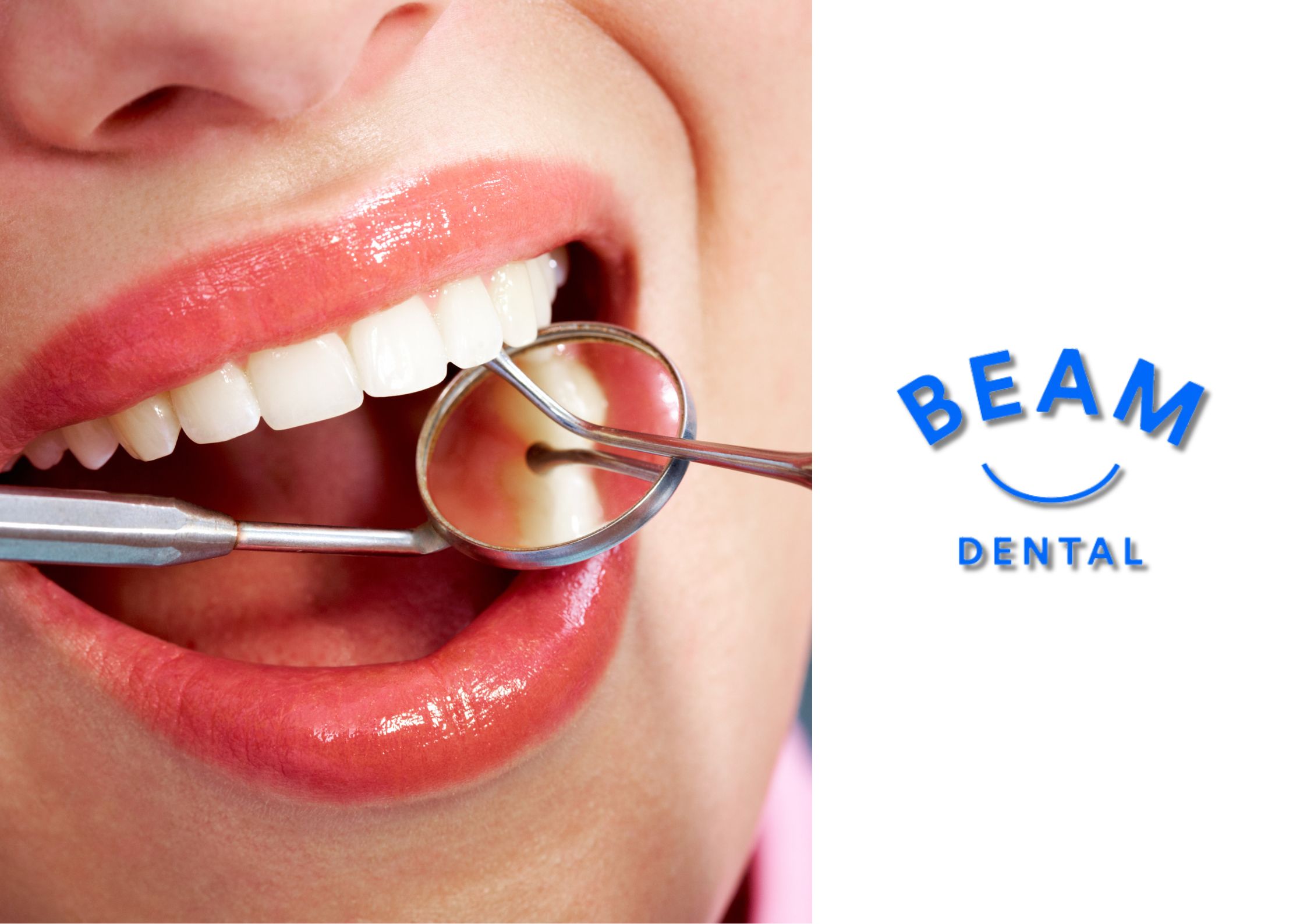
A dental check-up includes examining your teeth, gums and mouth. Your dentist should also ask about your general health, any problems since your previous visit and habits that may affect oral health.
The conversation is part of the assessment. Mention changes you have noticed, even if they seem minor, and explain any discomfort rather than waiting for the dentist to ask about a particular tooth. You can also discuss difficulties with cleaning or anxiety about treatment.
NHS guidance explains that check-ups help identify problems and support advice on maintaining a healthy mouth. Read the NHS guide to dental check-ups.
Before leaving, make sure you understand the findings. Ask what needs attention, whether treatment is recommended and what you can do at home. A useful appointment should leave you with clear next steps, not simply a date in the diary.
How Often Should You Have a Check-Up?
Not everyone needs an examination every six months. Your dentist should recommend an interval based on your oral health and risk of future problems.
For adults, NHS guidance describes intervals ranging from three months to two years. For patients under 18, the maximum interval is one year. These are routine review intervals, not instructions to wait if a problem develops. Check the NHS advice on appointment frequency.
Ask why a particular interval has been suggested for you. It can also help to clarify whether your next appointment is an examination, a hygiene visit or part of ongoing treatment. Those appointments may follow different schedules.
Professional Cleaning: More Than a Polished Smile
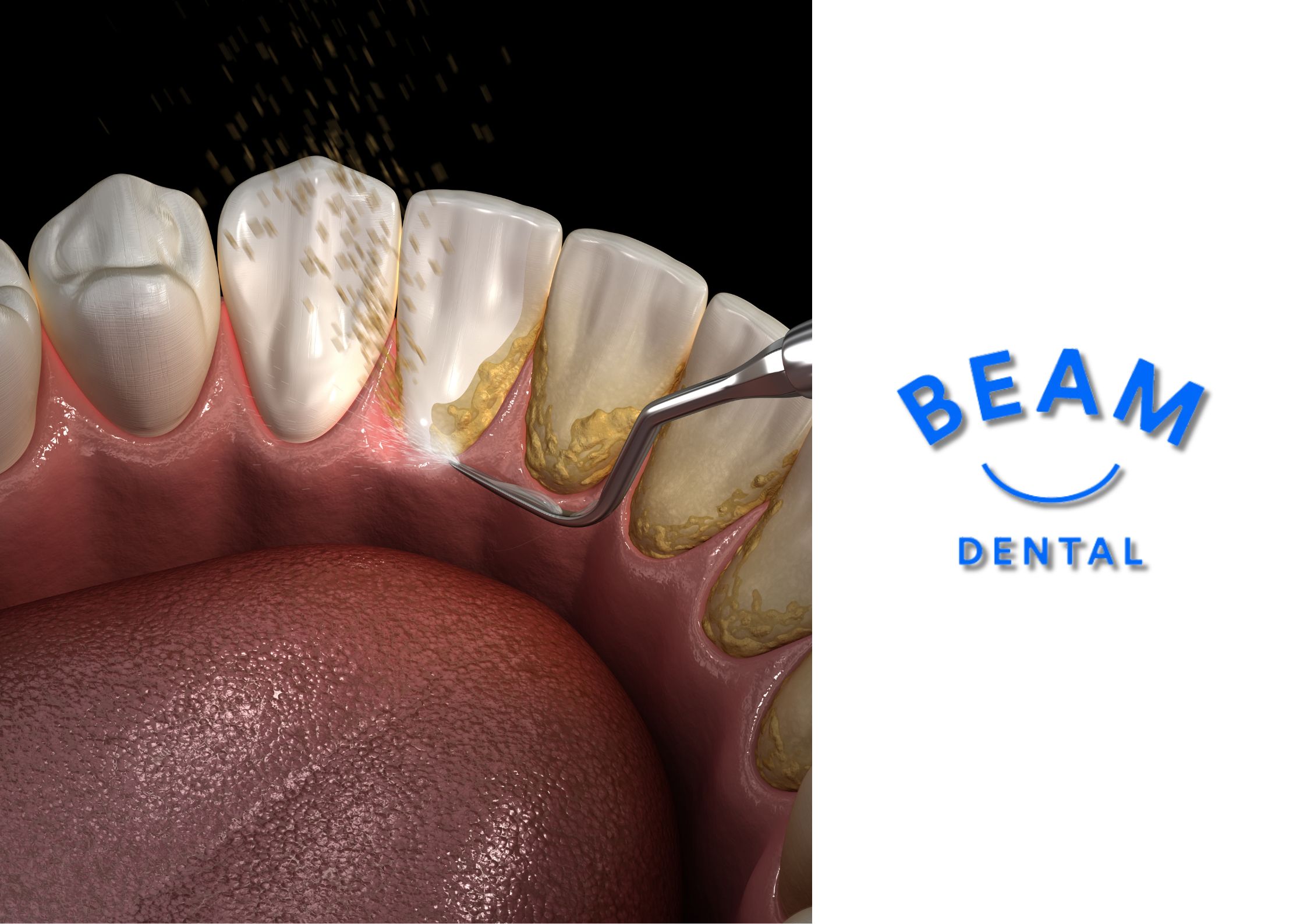
Plaque is a bacterial film that builds up on teeth. If it is not removed, it can harden into tartar. Gum disease is linked to plaque build-up, and professional care may be needed alongside improvements to daily cleaning.
NHS guidance explains that treatment can include advice on oral hygiene and professional cleaning. More serious gum disease may require deeper cleaning or other treatment. A routine polish should not be assumed to address every gum problem. Read NHS gum disease guidance.
Beam offers dental hygienist appointments. Ask what your recommended appointment involves and how it relates to the condition of your gums.
If cleaning has been uncomfortable before, tell the clinician at the start. Discuss what to expect and how to signal if you need a pause. Understanding the purpose of treatment can make the appointment feel more manageable.
Ask for Advice You Can Use at Home
A hygiene appointment is also an opportunity to make your routine more effective. Ask the clinician to show you how to reach areas you find difficult rather than relying on a general instruction to clean better.
You might want help selecting an interdental brush size, working around a bridge or managing cleaning when hand movement is limited. Explain what is realistic for you, including anything you have tried and struggled with.
Aim to leave knowing exactly what to practise. One clear demonstration can be more useful than buying several products without understanding how to use them.
Dental X-Rays: Seeing Beyond the Surface
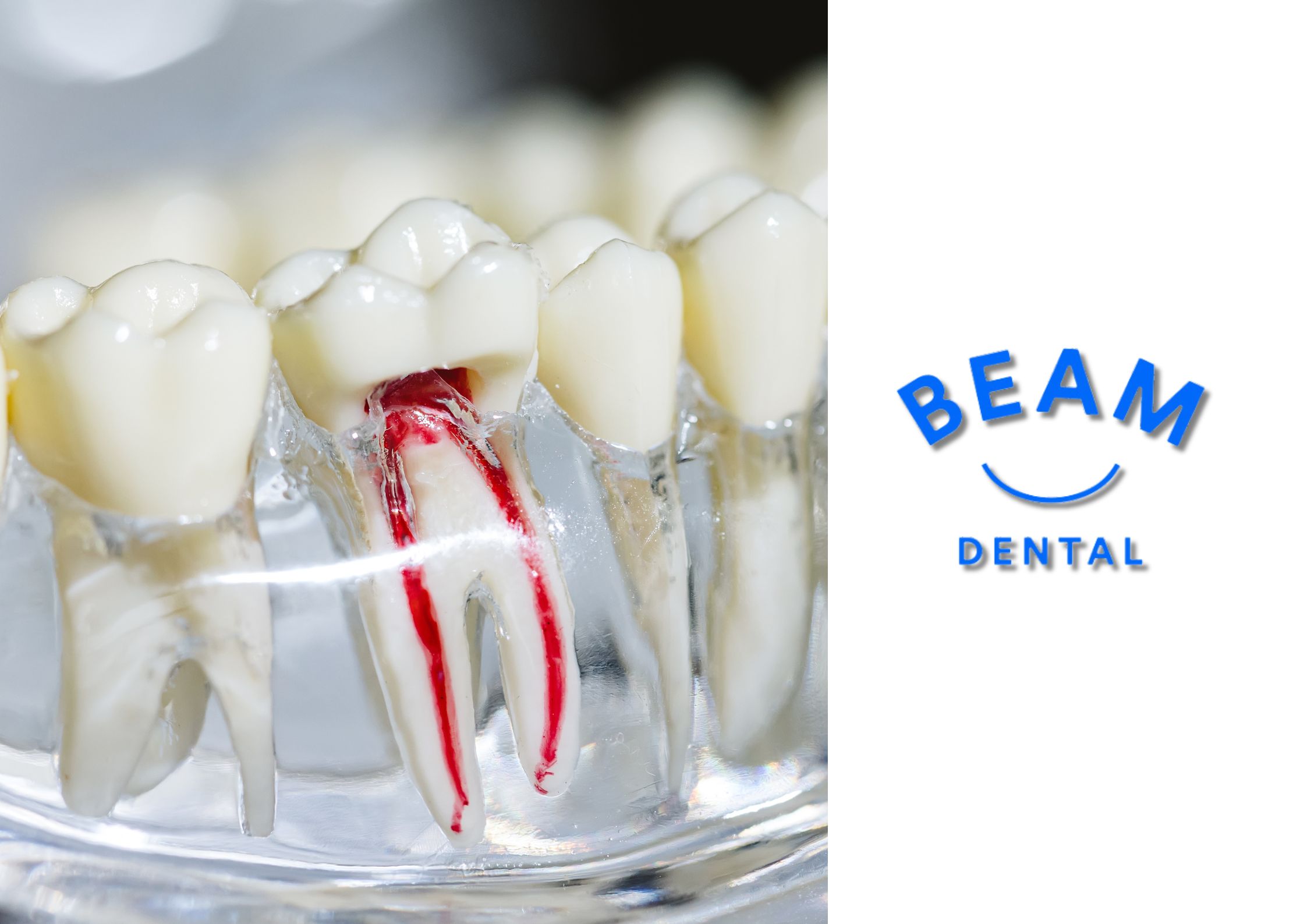
Some dental problems cannot be assessed fully by looking inside the mouth. X-rays can help reveal decay between teeth, changes around tooth roots or bone loss associated with gum disease. They may also assist with treatment planning.
The type of image depends on the information needed. Some views show a small area in detail, while others show a broader picture of the jaws and teeth. An X-ray complements the examination rather than replacing it. Read the Oral Health Foundation’s X-ray guidance.
If an image is recommended, ask what the dentist is looking for and how the result could affect your care. Let the team know about recent dental X-rays taken elsewhere so they can consider whether those records are useful.
Do You Need X-Rays at Every Appointment?
No. The decision should reflect your circumstances, including your oral health, symptoms and risk of disease. There is no universal X-ray schedule for every patient. The American Dental Association also emphasises individual assessment when deciding imaging frequency. Read its dental radiograph guidance.
Dental X-rays involve a small radiation exposure, so they should be taken when needed, with exposure kept as low as practicable. Tell your dentist if you are pregnant or think you may be pregnant, and discuss any concerns before imaging. Read the Oral Health Foundation’s safety information.
The useful question is not whether more images are always better, but whether a particular image is justified for your care.
Keep the Daily Routine Simple and Consistent
Professional appointments support home care; they do not replace it. NHS advice is to brush with fluoride toothpaste for about two minutes twice daily, including last thing at night. Spit out excess toothpaste without rinsing immediately afterwards.
Clean between teeth daily using floss or interdental brushes, as appropriate. Mouthwash is not a substitute for brushing, and using it straight after brushing washes away the concentrated fluoride left by toothpaste. Read NHS tooth-cleaning advice.
If you are unsure whether your technique is effective, ask for feedback. A familiar routine can still be improved, and personalised advice is preferable to assuming that harder brushing or more products will solve a problem.
Do Not Wait for a Routine Visit if Something Changes
Bleeding, swollen or painful gums should be assessed by a dentist. Persistent bad breath can also accompany gum disease. These symptoms are a reason to seek advice, not simply to cover the problem with mouthwash. Review NHS gum disease symptoms.
A mouth ulcer lasting more than three weeks, a persistent red or white patch, or a lump in the mouth should also be checked by a dentist or GP. Such symptoms can have other causes, but they should not be ignored. Read NHS mouth symptom guidance.
Make Preventative Dental Care Part of Your Routine
If it has been a while since your last appointment, start by explaining that when you book. Ask what the assessment includes, what it costs and whether a separate hygiene appointment may be appropriate.
Beam Dental Clinic is based in Brent Cross Shopping Centre. To discuss check-ups and hygiene care, contact Beam on 0203 143 1000 or email reception@beamdental.clinic”

Mark Becker
Principal Dentist at Beam Dental
BChD (Leeds 1993),
BSc (Hons) (Soton 1989)
GDC No: 69593
Read More