Root Canal Surgery: Treating Infection and Saving Natural Teeth

Understanding Tooth Infections
Dental infections can occur when bacteria enter the inner structures of a tooth. This often happens when tooth decay progresses deep into the tooth or when a tooth becomes cracked or damaged.
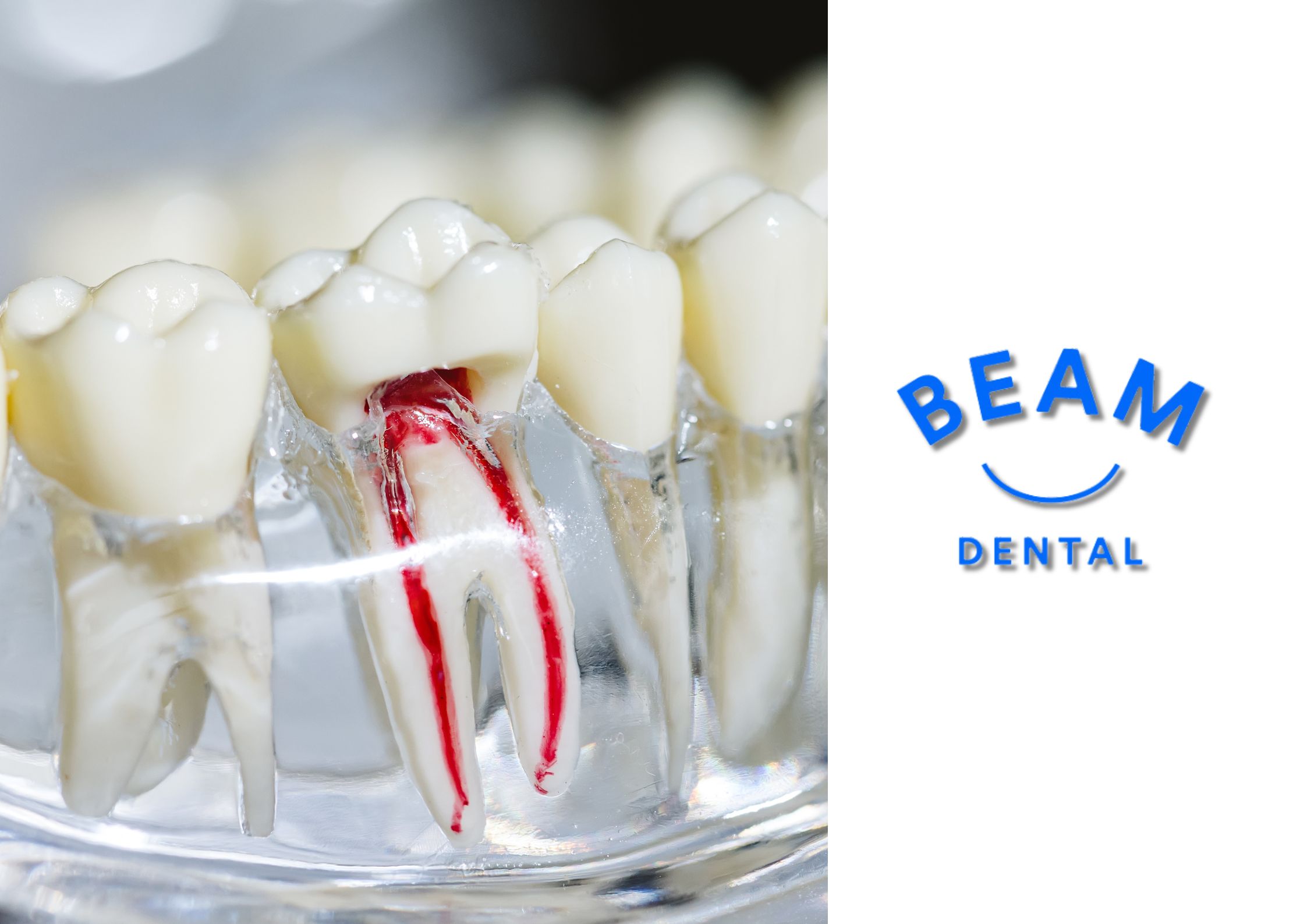
Inside every tooth is a soft tissue known as the dental pulp. The pulp contains nerves, blood vessels, and connective tissue that support the health and development of the tooth.
When bacteria reach the pulp, it can lead to infection and inflammation. If left untreated, this infection may cause severe pain and can eventually spread to surrounding tissues.
Root canal surgery is a procedure designed to treat this type of infection while preserving the natural tooth.
What Is Root Canal Surgery?
Root canal surgery, often referred to as root canal treatment or endodontic treatment, involves removing the infected pulp from inside the tooth.
After the infected tissue has been removed, the inside of the tooth is carefully cleaned and disinfected. The root canals are then filled and sealed to prevent bacteria from re-entering.
The goal of this procedure is to eliminate infection while allowing the natural tooth to remain in place.
Saving the natural tooth is usually preferable to removing it, as this helps maintain normal chewing function and prevents neighbouring teeth from shifting.
Signs That Root Canal Treatment May Be Needed
Several symptoms may indicate that a tooth has become infected and may require root canal treatment.
Common signs include:
- Persistent tooth pain
- Sensitivity to hot or cold temperatures
- Swelling or tenderness in the gums
- Darkening or discolouration of a tooth
- Pain when chewing or biting
- Pus or signs of infection around the tooth
In some cases, patients may not experience obvious symptoms, but an infection may still be detected during routine dental examinations or X-rays.
Early diagnosis allows dentists to treat the infection before it causes more serious complications.
Causes of Tooth Pulp Infection
Infections within the dental pulp can occur for several reasons.
Advanced Tooth Decay
When cavities are left untreated, bacteria can penetrate deeper layers of the tooth until they reach the pulp.
Cracked or Broken Teeth
Damage to the tooth structure can create openings that allow bacteria to enter the inner tissues.
Repeated Dental Procedures
Teeth that have undergone multiple dental treatments may become more vulnerable to pulp irritation or infection.
Trauma to the Tooth
Physical injury to a tooth can damage the pulp, even if the tooth does not appear visibly cracked.
Identifying the underlying cause of infection helps dentists determine the most appropriate treatment.
The Root Canal Procedure
Root canal treatment is typically carried out over one or more dental appointments depending on the complexity of the case.
The procedure usually follows several steps.
First, the dentist administers local anaesthesia to ensure the patient remains comfortable during the treatment.
Next, a small opening is created in the tooth to access the infected pulp. The dentist carefully removes the infected tissue and cleans the root canals using specialised instruments.
Once the canals have been cleaned and disinfected, they are filled with a biocompatible material designed to seal the space and prevent reinfection.
In many cases, a dental crown may later be placed over the treated tooth to restore its strength and function.
Pain Relief and Modern Treatment Techniques
Many patients worry that root canal procedures are painful. However, modern dental techniques and anaesthetic methods have significantly improved patient comfort during treatment.
In fact, root canal treatment is often performed specifically to relieve pain caused by infection.
Once the infected pulp has been removed and the tooth has been properly sealed, most patients experience significant relief from the symptoms that led them to seek treatment.
Advances in dental technology have also improved the precision and efficiency of root canal procedures.
Benefits of Saving the Natural Tooth
One of the main advantages of root canal surgery is that it allows dentists to preserve the natural tooth rather than remove it.
Keeping the natural tooth offers several benefits.
Maintaining Natural Bite Function
Natural teeth are designed to withstand the forces of chewing. Preserving the original tooth helps maintain proper bite alignment.
Preventing Tooth Movement
When a tooth is lost, neighbouring teeth may shift into the empty space. This can lead to bite problems and additional dental complications.
Supporting Jawbone Health
Natural teeth help stimulate the jawbone during chewing. Preserving the tooth helps maintain bone structure in the jaw.
Avoiding More Complex Treatments
Tooth extraction often requires additional treatments such as dental implants or bridges to restore the missing tooth.
Root canal treatment helps avoid these more complex procedures.
Root Canal Treatment for Patients in North London
Patients across North London often seek prompt dental care when experiencing tooth pain or signs of infection.
Dental clinics serving communities such as:
- Hendon
- Golders Green
- Brent Cross
- Hampstead
- Muswell Hill
- Highgate
- Barnet
- Mill Hill
- Edgware
frequently provide root canal treatments to address infected teeth and relieve discomfort.
Early treatment helps prevent the spread of infection and protects the long-term health of the surrounding teeth.
Recovery After Root Canal Treatment
After root canal treatment, patients may experience mild sensitivity for a few days while the surrounding tissues heal.
Dentists typically recommend avoiding chewing on the treated tooth until any final restoration, such as a crown, has been placed.
Maintaining good oral hygiene practices is also important for protecting the treated tooth and preventing future dental problems.
Regular dental check-ups allow dentists to monitor the condition of the treated tooth and ensure it remains healthy.
Preventing Future Dental Infections
Although root canal treatment successfully removes infection from a tooth, preventing future dental problems remains important.
Patients can protect their oral health by:
- Brushing twice daily with fluoride toothpaste
- Flossing regularly
- Attending routine dental check-ups
- Limiting sugary foods and drinks
- Addressing cavities early before they progress
Preventive care reduces the likelihood of developing infections that require complex dental procedures.
In Summary
Root canal surgery is an effective treatment for infected teeth that allows dentists to eliminate infection while preserving the natural tooth structure. By removing damaged pulp and sealing the root canals, the procedure relieves pain and prevents further complications.
Modern dental techniques have made root canal treatment a comfortable and reliable solution for patients experiencing tooth infections.
For patients in North London experiencing tooth pain or signs of infection, timely dental care can help preserve natural teeth and restore oral health. With proper treatment and ongoing dental care, root canal procedures provide long-lasting results and support healthy smiles.

Mark Becker
Principal Dentist at Beam Dental
BChD (Leeds 1993),
BSc (Hons) (Soton 1989)
GDC No: 69593
Read More