Dental Bridges as a Reliable Solution for Missing Teeth

The Impact of Missing Teeth
Losing one or more teeth can have a significant impact on both oral health and daily life. Missing teeth may affect a person’s ability to chew properly, speak clearly, and smile with confidence.
Beyond the visible effects, tooth loss can also lead to long-term dental complications. When a tooth is missing, neighbouring teeth may begin to shift into the empty space. This movement can affect bite alignment and may create difficulties with chewing or cleaning between teeth.
In addition, the jawbone beneath the missing tooth may gradually lose density over time due to the lack of stimulation normally provided by natural teeth.
Restorative dental treatments are therefore important for replacing missing teeth and maintaining the structure and function of the mouth. One of the most commonly used solutions for this purpose is a dental bridge.
What Is a Dental Bridge?
A dental bridge is a restorative dental appliance used to replace one or more missing teeth. It works by bridging the gap created by the missing tooth.
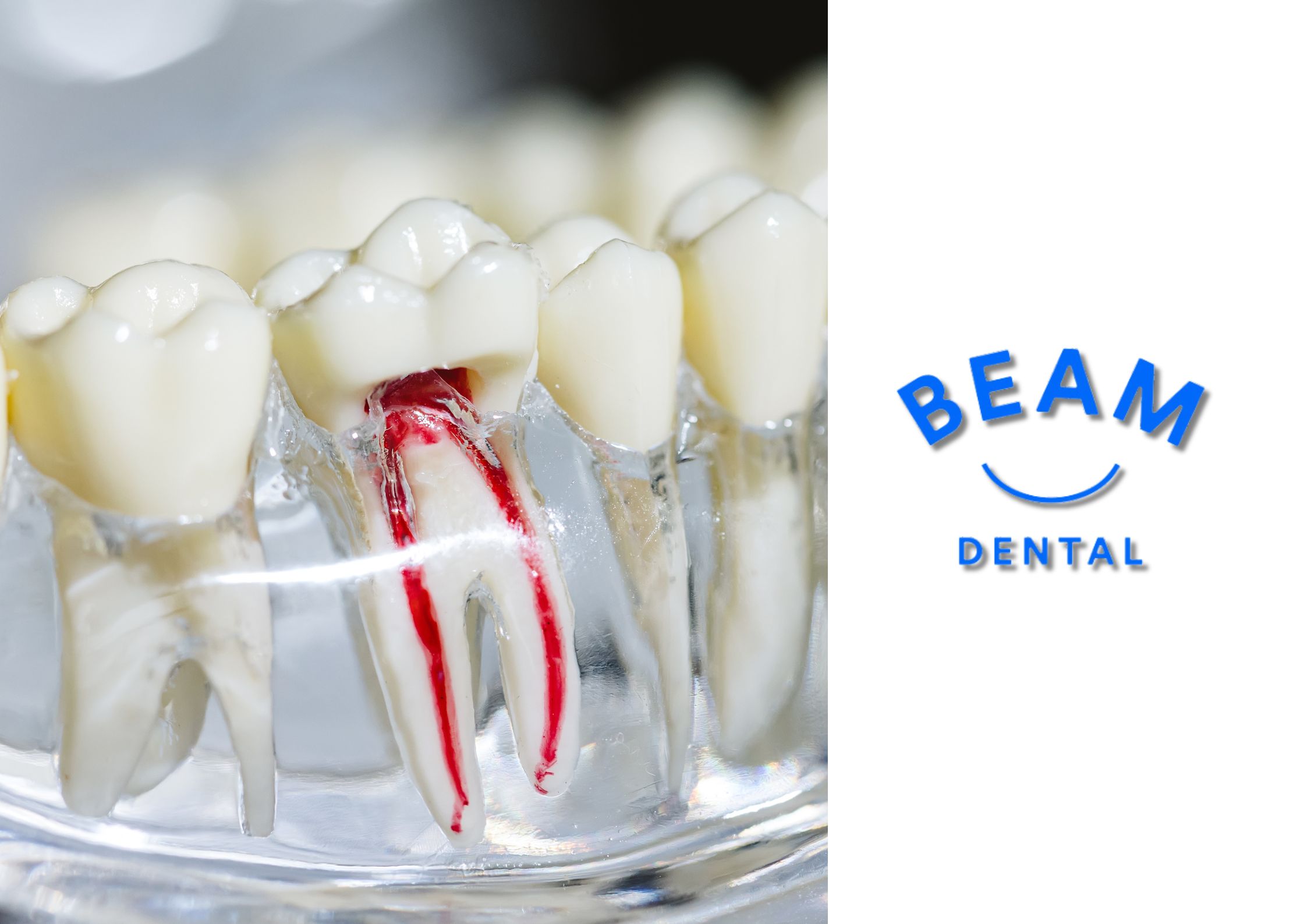
The bridge typically consists of an artificial tooth, known as a pontic, which is supported by crowns attached to the natural teeth on either side of the gap. These supporting teeth are referred to as abutment teeth.
Once placed, the bridge restores both the appearance and function of the missing tooth, allowing patients to chew and speak normally.
Dental bridges are designed to blend naturally with surrounding teeth, providing both functional and aesthetic benefits.
When Dental Bridges Are Recommended
Dental bridges are often recommended for patients who have lost one or more teeth but still have healthy teeth on either side of the gap.
Dentists may suggest a dental bridge for several reasons.
Restoring Chewing Function
Missing teeth can make it difficult to chew certain foods comfortably. A dental bridge restores the ability to bite and chew effectively.
Improving Appearance
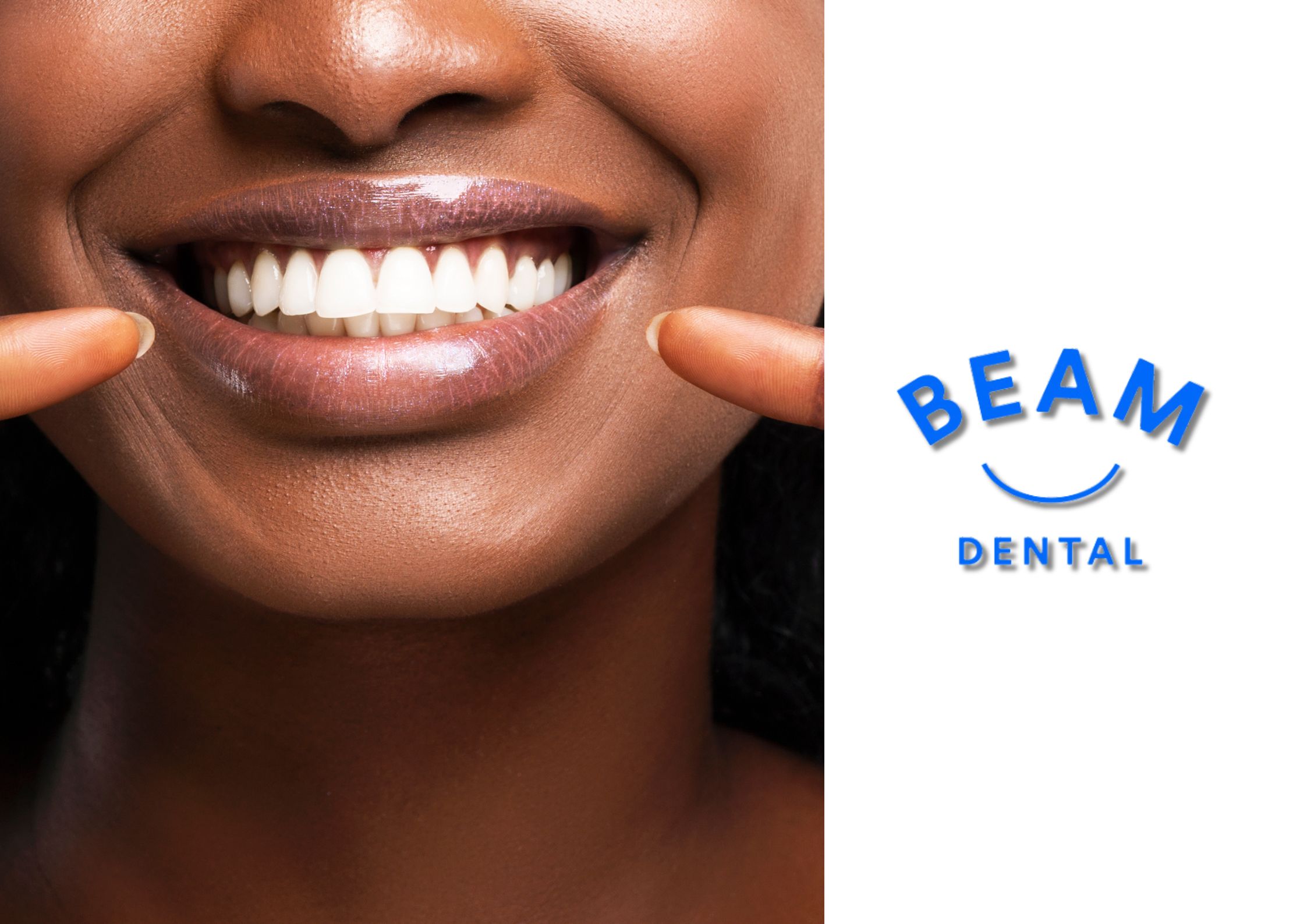
Tooth loss can affect the appearance of a smile. Dental bridges fill the gap left by missing teeth and help restore a natural-looking smile.
Preventing Tooth Movement
When a tooth is lost, surrounding teeth may begin to shift into the empty space. A dental bridge helps maintain proper alignment by keeping neighbouring teeth in their correct positions.
Supporting Facial Structure
Teeth help support the shape of the face. Replacing missing teeth can help maintain facial balance and prevent changes in appearance that sometimes occur after tooth loss.
Types of Dental Bridges
There are several types of dental bridges used in restorative dentistry, depending on the patient’s specific needs.
Traditional Dental Bridges
Traditional bridges are the most common type. They involve placing crowns on the teeth adjacent to the missing tooth, which support the artificial tooth positioned between them.
Cantilever Bridges
Cantilever bridges are used when there is only one supporting tooth available next to the gap.
Maryland Bridges
Maryland bridges use a metal or porcelain framework that is bonded to the back of adjacent teeth rather than using crowns.
The most appropriate type of bridge is determined after a dental examination and consultation with the dentist.
The Dental Bridge Procedure
The process of placing a dental bridge usually requires two or more dental appointments.
During the first appointment, the dentist prepares the abutment teeth that will support the bridge. This involves shaping these teeth so that crowns can be placed over them.
Impressions of the teeth are then taken and sent to a dental laboratory where the custom bridge is fabricated.
While the permanent bridge is being created, a temporary bridge may be placed to protect the prepared teeth.
At the second appointment, the custom bridge is carefully fitted and adjusted to ensure it fits comfortably and functions correctly. Once the dentist is satisfied with the fit, the bridge is securely cemented into place.
Benefits of Dental Bridges
Dental bridges offer several advantages for patients seeking to restore missing teeth.
Natural Appearance
Modern dental materials allow bridges to be designed in a way that closely matches the colour and shape of natural teeth.
Restored Function
Bridges allow patients to chew and speak normally, restoring essential functions that may be affected by missing teeth.
Long-Term Solution
With proper care, dental bridges can last many years and provide reliable tooth replacement.
Improved Oral Health
Replacing missing teeth helps maintain the structure of the mouth and prevents neighbouring teeth from shifting out of position.
Dental Bridges for Patients in North London
Patients across North London often seek restorative dental treatments that allow them to replace missing teeth and restore their smiles.
Dental bridges are commonly used in dental practices serving communities such as:
- Hendon
- Golders Green
- Brent Cross
- Hampstead
- Muswell Hill
- Highgate
- Barnet
- Mill Hill
- Edgware
These treatments help patients maintain healthy, functional smiles while improving both comfort and confidence.
Caring for a Dental Bridge
Proper care is essential for maintaining the longevity of a dental bridge. Although the artificial tooth itself cannot decay, the supporting teeth must remain healthy to ensure the bridge remains stable.
Patients are typically advised to:
- Brush twice daily using fluoride toothpaste
- Floss regularly, including under the bridge
- Attend routine dental check-ups
- Maintain good oral hygiene habits
Special flossing tools or interdental brushes may be recommended to clean beneath the bridge where food particles can accumulate.
Maintaining good oral hygiene helps protect both the bridge and the surrounding teeth.
Alternatives to Dental Bridges
In some cases, dentists may discuss alternative options for replacing missing teeth. These may include dental implants or removable dentures.
Each treatment option has its own advantages depending on the patient’s oral health, budget, and personal preferences.
Dental bridges remain a widely used and reliable solution, particularly when healthy teeth are present on either side of the missing tooth.
A dental consultation allows the dentist to determine which treatment option is most appropriate for the patient’s needs.
Final Thoughts
Missing teeth can affect both oral health and confidence, but modern restorative dentistry offers several effective solutions. Dental bridges provide a reliable method of replacing missing teeth while restoring both function and appearance.
By bridging the gap created by tooth loss, these restorations help maintain proper bite alignment, prevent neighbouring teeth from shifting, and improve the overall appearance of the smile.
With proper care and regular dental check-ups, dental bridges can provide long-lasting results and support healthy, functional smiles for many years.

Mark Becker
Principal Dentist at Beam Dental
BChD (Leeds 1993),
BSc (Hons) (Soton 1989)
GDC No: 69593
Read More